 By Adrien Blanc
How to Adjust Your Habits for Each Season

The habits that work perfectly in June can feel impossible by December — and that's not a personal failing. Your body responds to seasonal shifts in daylight, temperature, and social rhythms, and your routines need to shift with it. A systematic review and meta-analysis published in BMC Public Health found that people are roughly 30 minutes more sedentary in winter compared to spring, while light physical activity drops by 45 minutes relative to summer. Meanwhile, sleep duration increases by 15 to 25 minutes in winter months across the northern hemisphere.
The most resilient habit systems aren't rigid — they're seasonal. Instead of building one perfect routine and clinging to it year-round, you should design a flexible framework that adapts to each season's unique challenges and advantages. This article walks through each season with specific, research-backed adjustments for your sleep, movement, nutrition, and mental health habits.
30 min
more sedentary behavior in winter vs. spring, per meta-analysis
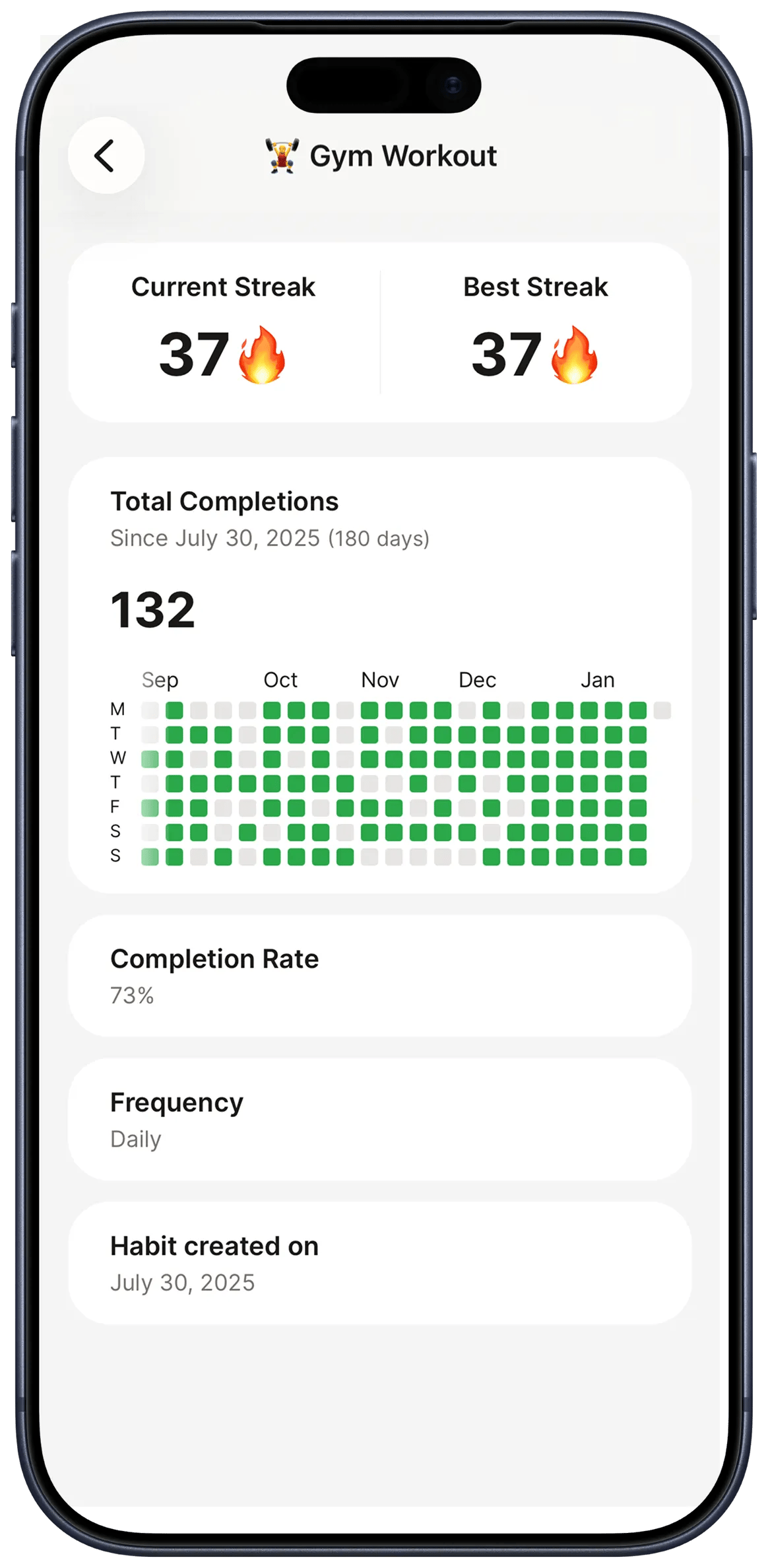
Track your seasonal habits and adapt your streaks as the seasons change
Download Free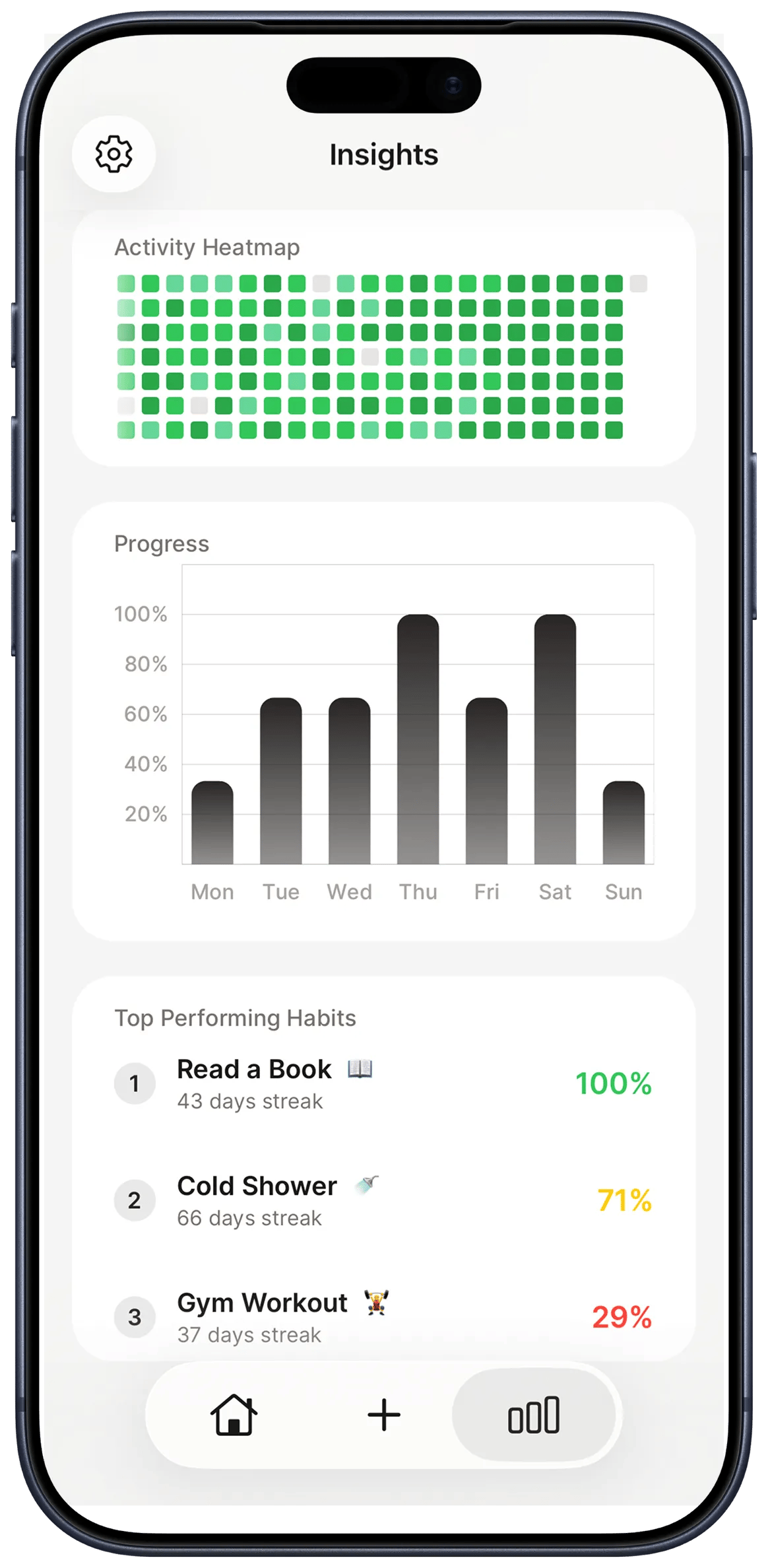
Why Rigid Year-Round Routines Fail
A routine that ignores seasonal changes is fighting biology. Your circadian rhythm — the internal clock governed by the suprachiasmatic nucleus in your brain — shifts meaningfully with the seasons. Researchers found that REM sleep was about 30 minutes longer in winter than in spring, and that wake times naturally shift later as daylight shrinks. Your body isn't broken in winter; it's responding to less light.
This matters for habit formation because timing and energy are two of the biggest factors in whether a habit sticks. If your morning run depends on 6:30 a.m. daylight, it won't survive December at northern latitudes. If your meditation practice relies on post-work energy, the winter fatigue that affects nearly 40% of Americans will undermine it.
The fix isn't more willpower — it's better design. As part of the broader science of building healthy habits, seasonal adjustment means anticipating predictable dips and restructuring cues, timing, and intensity before motivation disappears.
Winter Habits: Working With Less Light
Winter is the season most people struggle with, and the biology explains why. About 5% of U.S. adults experience seasonal affective disorder (SAD), with another 10 to 20% experiencing milder "winter blues." Reduced sunlight lowers serotonin production and shifts melatonin timing, leaving you feeling sluggish, less motivated, and craving comfort food.
The goal in winter isn't to maintain summer-level intensity. It's to maintain consistency at a reduced scale.
Here's how to adjust:
- Shift exercise indoors or earlier. A lunchtime walk during daylight hours gives you both movement and light exposure. Even 10 minutes of outdoor light helps reset your circadian clock.
- Lower the bar on habits. If you meditated for 20 minutes in summer, 10 minutes in winter still counts. A shorter meditation habit beats an abandoned one.
- Prioritize sleep consistency. Your body naturally wants more sleep in winter. Instead of fighting it, go to bed 20 to 30 minutes earlier. A study analyzing 73 million nights of sleep data confirmed that sleep duration is 15 to 25 minutes longer in winter — lean into that.
- Front-load light exposure. Use a 10,000-lux light therapy lamp for 20 to 30 minutes each morning if natural sunlight is scarce.
Spring Habits: Building New Momentum
Spring brings a natural surge of energy and optimism as daylight extends and temperatures rise. This makes it the ideal season to introduce new habits or scale existing ones back up. But there's a catch: the excitement of spring can lead to overcommitment, which is one of the top reasons habits fail.
Use spring's momentum to add one or two new habits — not seven.
Spring adjustments:
- Move routines outdoors. Take your exercise habit outside. Research shows outdoor physical activity improves mood and adherence more than indoor alternatives.
- Adjust sleep timing. Your circadian rhythm shifts earlier in spring. Wake times naturally move forward, so update your alarm and bedtime accordingly.
- Introduce habit stacking. The energy boost makes spring perfect for layering habits together. Pair a morning walk with sunlight exposure, or combine an evening stretch with gratitude journaling. Our habit stacking guide covers this in detail.
- Do a "habit audit." Review what survived winter. Which habits held? Which broke? Spring is the time to rebuild what matters and drop what doesn't.
Summer Habits: Energy and Social Balance
Summer offers the most daylight and typically the highest physical activity levels. The BMC Public Health meta-analysis found that both light physical activity and moderate-to-vigorous physical activity peak in summer. But summer also brings disruptions: vacations, irregular schedules, social events, and heat.
The challenge in summer is not starting habits — it's maintaining structure when routines dissolve.
- Create a travel-proof version of each habit. If your habit is a 45-minute gym session, define a 15-minute bodyweight backup you can do anywhere. Having a "minimum viable habit" prevents all-or-nothing thinking.
- Protect your sleep habits. Longer daylight can delay your melatonin onset. Use blackout curtains or a sleep mask to maintain sleep quality.
- Stay hydrated. Heat and activity increase water loss. Dehydration as low as 1.5% of body water causes fatigue and impaired thinking, according to University of Connecticut researchers.
- Use social habits strategically. Summer's social calendar can support habits — outdoor group workouts, walking meetings, or hiking with friends combine connection with movement.
Fall Habits: Refocusing and Preparing
Fall is a natural reset point. The end of vacation season, the return of structure, and the "back to school" energy make it an ideal time to recommit to habits that slipped during summer.
Fall is your preparation season — the habits you build now determine how well you handle winter.
- Gradually shift routines indoors. Don't wait until the first frost. Start transitioning outdoor runs to treadmill sessions or indoor yoga before the weather forces the change.
- Build a morning light habit. As days shorten, getting outdoor light within 30 minutes of waking becomes increasingly important for maintaining mood and circadian alignment.
- Increase recovery habits. Add or strengthen stress management habits — gratitude journaling, meditation, or a consistent wind-down routine — before the holiday rush hits.
- Meal-prep for shorter days. When it gets dark at 5 p.m., cooking motivation plummets. Batch-cooking on weekends prevents defaulting to takeout.
40%
of Americans report mood decline in winter months
How to Handle Holiday Disruptions
The period from late November through early January is notorious for breaking habits. Between travel, social obligations, irregular meals, and emotional stress, even well-established routines can unravel. And contrary to popular belief, January 1 is not the best time to start fresh — research by Strava analyzing over 800 million activities found that most New Year's resolutions are abandoned by January 19, "Quitter's Day."
The smarter approach: don't let holidays destroy your habits in the first place.
- Define a "bare minimum" for each habit. One minute of meditation. Five push-ups. One glass of water first thing. These micro-versions keep the neural pathway alive even when your schedule is chaos.
- Expect disruption — plan for it. Block out the specific dates that will be hardest (travel days, family gatherings) and pre-decide which habits get the bare minimum treatment.
- Avoid the "fresh start" trap. Starting over on January 1 means you lost weeks of momentum. It's better to maintain a 50%-effort streak through the holidays than to break it entirely and restart. For more on why this matters, read about what happens when you break a streak.
- Forgive slips fast. Missing one day doesn't erase your progress. Missing two weeks because you spiraled after missing one day does.
Tracking Seasonal Habit Adjustments
Seasonal habit adjustment works best when it's intentional, not reactive. A habit tracker gives you the data to see your own seasonal patterns and plan ahead.
Track these metrics across seasons:
- Completion rates by month. You'll likely see dips in December through February and peaks in May through August. Knowing your personal pattern lets you prepare.
- Which habits survive disruption. Over a year of tracking, you'll discover which habits are "load-bearing" — the ones that support everything else — and which are optional extras you can scale down seasonally.
- Energy and mood notes. Brief daily notes on energy level help you correlate seasonal changes with habit performance.
The value of a complete habit tracking system is that it turns vague feelings ("winter is hard") into specific data ("my exercise completion drops 35% in January, but my reading habit stays consistent"). That data lets you build a smarter seasonal plan each year.
| Season | Priority Focus | Scale Back | Best New Habit to Add |
|---|---|---|---|
| Winter | Sleep, light exposure, reflection | Exercise intensity, social habits | Morning light therapy, journaling |
| Spring | Rebuilding, outdoor movement | Indoor-only routines | Habit stacking, new exercise |
| Summer | Hydration, consistency during travel | Heavy structure, rigid schedules | Social/outdoor habits |
| Fall | Preparation, stress management | Summer-only outdoor habits | Meal prep, wind-down routine |
Build a seasonal habit plan and track your progress through every season
Download FreeFrequently Asked Questions
Should I change all my habits every season?▼
No. Keep your core habits (sleep, hydration, movement) consistent year-round and adjust the details — timing, intensity, location. Most people only need to modify 2-3 specific habits per seasonal transition.
How far in advance should I prepare for a seasonal shift?▼
Start adjusting about 2-3 weeks before a major seasonal change. For example, begin transitioning outdoor runs to indoor alternatives in mid-October, not the first freezing morning in November.
Why do I always lose motivation in winter?▼
Reduced sunlight lowers serotonin production and shifts your melatonin cycle, affecting mood and energy. About 5% of adults experience full seasonal affective disorder, while another 10-20% experience milder winter blues. This is biological — not laziness. Adjust your habits to match your lower energy instead of fighting it.
Is it better to scale habits down or take a break in difficult seasons?▼
Scale down. Research on habit formation shows that maintaining even a minimal version of a habit preserves the neural pathway and makes it much easier to scale back up. Taking a full break means rebuilding the habit from scratch.
How do I stay consistent with habits during holiday travel?▼
Define a travel-proof minimum for each core habit before you leave. For exercise, it might be 10 bodyweight squats. For meditation, 2 minutes of deep breathing. The goal is continuity, not performance. Even tiny actions maintain your streak and identity as someone who does this habit.
- 1.Annual, seasonal, cultural and vacation patterns in sleep, sedentary behaviour and physical activity: a systematic re...bmcpublichealth.biomedcentral.com
- 2.Frontiers | Seasonality of human sleep: Polysomnographic data of a neuropsychiatric sleep clinicfrontiersin.org
- 3.New APA Healthy Minds Monthly Poll Finds that Nearly 40% of Americans Face Declining Mood in Winterpsychiatry.org
- 4.Seasonal affective disorder: MedlinePlus Geneticsmedlineplus.gov
- 5.Circadian Rhythmsleepfoundation.org
- 6.study analyzing 73 million nights of sleep dataacademic.oup.com
- 7.Even Mild Dehydration Can Alter Moodtoday.uconn.edu
- 8.research by Strava analyzing over 800 million activitiesinc.com