 By Adrien Blanc
10 Daily Habits for Sustainable Weight Loss
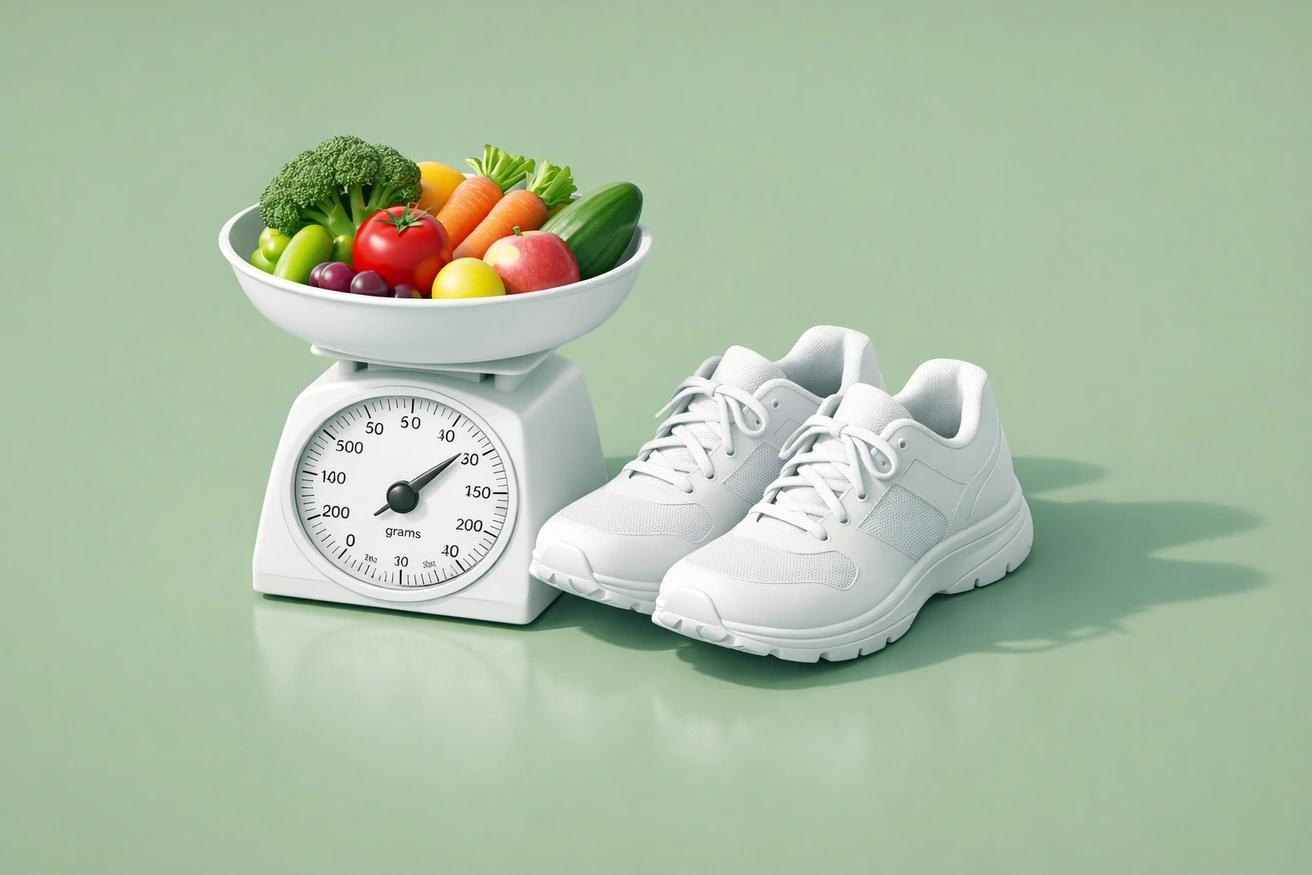
Sustainable weight loss is not about following the latest fad diet. It is about building daily habits that gradually shift how you eat, move, and rest. Research shows that approximately 20% of people who lose weight manage to keep it off long-term -- and the ones who succeed share a common thread: they rely on consistent routines rather than willpower. A habit-based weight loss intervention found that participants who focused on forming simple daily habits lost an average of 3.1 kg in 12 weeks, then continued losing another 2.1 kg over the following year with no further intervention. The key difference between people who lose weight temporarily and those who keep it off is that the latter turn healthy behaviors into automatic habits. Here are ten evidence-based daily habits that support lasting weight loss -- and the science behind each one.
67%
of habit-based participants reduced body weight by over 5%
Build your weight loss habits one day at a time. Track your streaks with Habit Streak.
Download Free
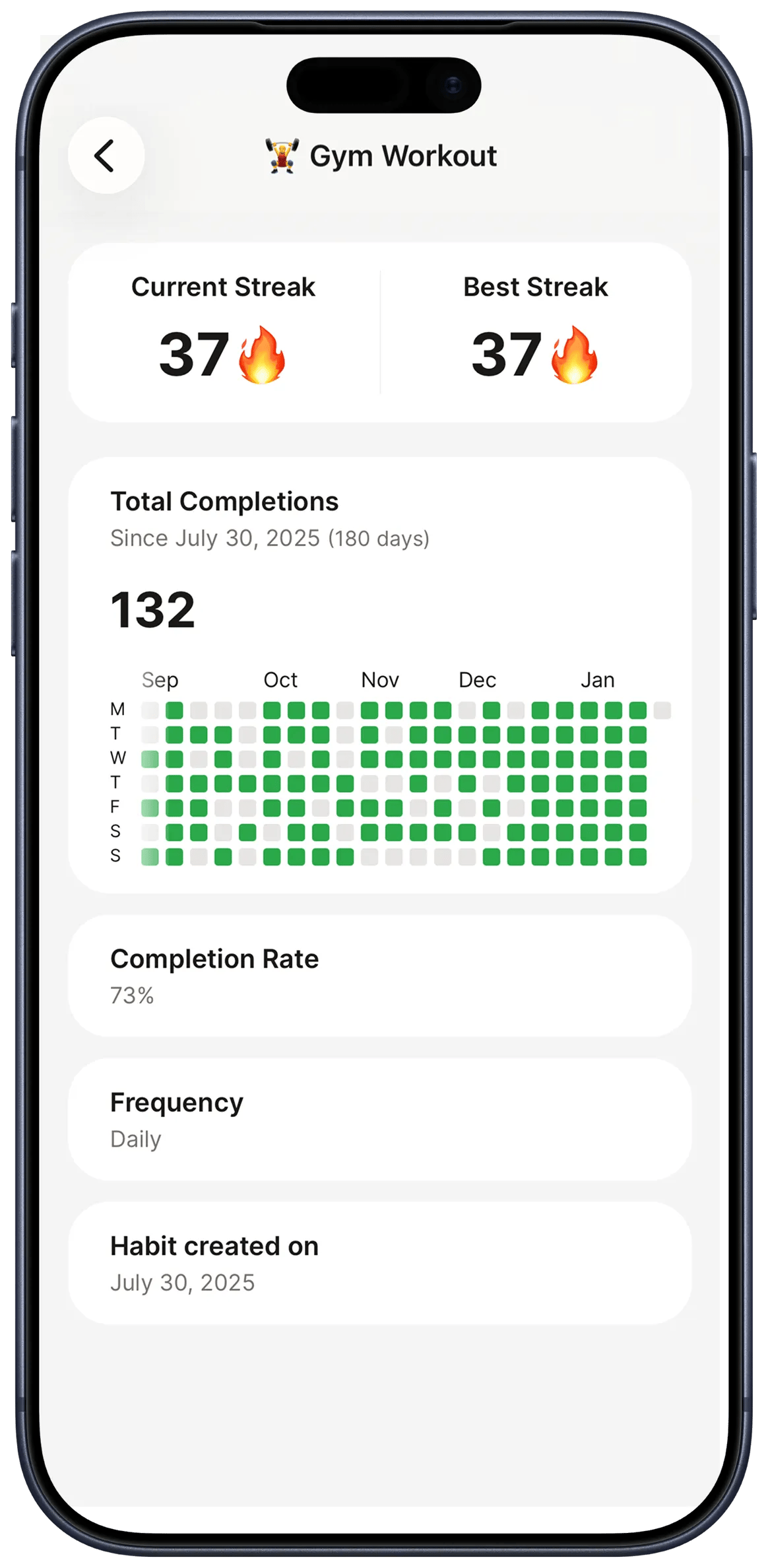
Why Habits Beat Diets for Long-Term Weight Loss
Habits beat diets because they become automatic, requiring less mental effort over time. The CDC confirms that sustainable weight loss requires a combination of healthy nutrition, physical activity, and behavioral changes rather than short-term dieting. Diets impose temporary rules; habits become part of who you are.
The PREVIEW study tracked habit formation during weight loss maintenance and found that habit strength increased steadily during the first year. Once participants crossed a threshold of automaticity, they were better protected against weight regain. This aligns with what we know about how long it takes to form a habit -- roughly 59 to 66 days for most behaviors.
Building a system of small habits is more reliable than relying on motivation alone. As part of the broader science of building healthy habits, weight loss habits work best when they are specific, repeatable, and tied to existing routines.
Drink Water Before Every Meal
Drinking 500 ml of water 30 minutes before meals can reduce calorie intake and promote modest weight loss. A randomized controlled trial from the University of Birmingham found that adults with obesity who drank water before their three main meals lost 1.3 kg more than the control group over 12 weeks.
An earlier Virginia Tech study showed even larger effects: water drinkers lost about 15.5 pounds over 12 weeks compared to 11 pounds in the non-water group, both on calorie-restricted diets. The mechanism is straightforward -- water fills the stomach with zero calories, reducing how much food you eat.
Make it a habit: Keep a water bottle at your desk and set a reminder 30 minutes before meals. For a deeper look at this practice, see our guide on building a drinking water habit.
Eat Slowly and Mindfully
Slowing down while eating gives your brain time to register fullness signals. A review of 68 studies on mindful eating found that these strategies improved eating behaviors including slower meal pace, better recognition of fullness, and greater control over food choices. One study on patients with obesity showed participants consumed approximately 350 fewer calories per day after adopting mindful eating practices -- without any prescribed diet.
Chewing slowly also has a hormonal effect. Research suggests that eating at a slower pace influences satiety hormones like cholecystokinin and leptin, helping you feel satisfied with less food.
Practical tips for mindful eating:
- Put your fork down between bites
- Chew each bite 15-20 times
- Eat without screens for at least one meal daily
- Notice the flavors, textures, and aromas of your food
Meal Prep Weekly
Preparing meals in advance removes the daily decision of what to eat, which reduces the likelihood of reaching for convenience foods. When healthy meals are ready to go, the path of least resistance becomes the healthy choice.
Meal prepping works because it targets the environment rather than your willpower. You are essentially stacking the deck in your favor every Sunday so that each weekday becomes easier. This is a form of habit stacking -- pairing your weekly planning routine with food preparation.
A simple meal prep framework:
- Sunday: Cook two proteins, one grain, and roast two trays of vegetables
- Portion: Divide into containers for lunches and dinners
- Rotate: Change recipes every two weeks to prevent boredom
- Snacks: Pre-portion nuts, cut vegetables, or boil eggs in batches
Walk 10,000 Steps Daily
Daily walking is one of the most accessible and effective habits for weight management. Non-exercise activity thermogenesis (NEAT) -- the calories you burn through daily movement outside formal exercise -- varies enormously between individuals and explains much of the difference in weight maintenance between people with similar diets.
Walking does not require gym membership, special equipment, or high fitness levels. The American Heart Association recommends at least 150 minutes of moderate exercise per week, and brisk walking counts. For a detailed breakdown, see our guide on walking 10,000 steps a day.
Ways to add steps throughout the day:
- Take a 10-minute walk after each meal
- Use stairs instead of elevators
- Park further from entrances
- Walk during phone calls
Get 7-8 Hours of Sleep
Sleep is a weight loss habit that many people overlook. A meta-analysis of 30 studies involving 634,511 participants found that each hour of reduced sleep per day was associated with a 0.35 kg/m2 increase in BMI. That translates to roughly 1.4 kg of extra body weight for an average-height adult.
The mechanism is partly hormonal. Research shows that just two days of sleep restriction can cause an 18% reduction in leptin (the satiety hormone) and a 28% increase in ghrelin (the hunger hormone). Sleep-deprived people consistently eat 200 to 500 extra calories per day, mostly from high-fat and high-carbohydrate foods.
270
fewer calories consumed daily when sleep is extended by one hour
Track What You Eat Without Obsessing
Self-monitoring is the cornerstone of behavioral weight loss treatment. A meta-analysis of twelve studies found that digital self-monitoring of diet and physical activity led to an average additional weight loss of 2.87 kg compared to non-tracking groups. And a University of Florida study reported that 68% of participants in a behavioral weight loss program benefitted from self-monitoring.
The goal is not perfection. Research shows you do not need to track every single day. One study found that tracking on just 28.5% of intervention days was enough to achieve 3% or greater weight loss. Consistent tracking -- even a few days per week -- builds awareness of eating patterns.
How to track without becoming obsessive:
- Use an app rather than pen-and-paper (research shows better adherence)
- Focus on logging meals, not counting every calorie
- Track for 3-4 days per week rather than aiming for daily perfection
- Review patterns weekly rather than daily
Strength Training Twice a Week
Strength training protects the muscle mass that calorie restriction tends to erode. When you lose weight through diet alone, a significant portion of that loss can come from muscle, which slows your metabolism. Resistance training counteracts this.
Research shows that higher protein intake combined with resistance exercise protects muscle during a calorie deficit, keeps you fuller for longer, and slightly raises daily calorie burn through the thermic effect of digestion. Aim for about 20-30 grams of protein per meal, spread throughout the day.
A minimal strength training habit:
- Two sessions per week, 30-40 minutes each
- Focus on compound movements: squats, deadlifts, rows, presses
- Progressive overload: gradually increase weight or reps
- Pair with your exercise habit for consistency
Reduce Liquid Calories
Liquid calories from sugary drinks, juices, and alcohol add up fast without triggering the same fullness signals as solid food. A study from the Look AHEAD Trial found that participants who abstained from alcohol over four years lost significantly more weight than those who continued drinking.
Swapping caloric beverages for water, herbal tea, or black coffee is one of the simplest daily changes with outsized impact. A single daily soda contains roughly 140 calories -- eliminating it saves nearly 1,000 calories per week.
Common liquid calorie swaps:
- Soda to sparkling water with lemon
- Juice to whole fruit
- Cream-and-sugar coffee to black coffee or a splash of milk
- Alcohol to alcohol-free alternatives or reduced frequency
Manage Stress With Daily Relaxation
Chronic stress directly sabotages weight loss. It activates the HPA axis, increases cortisol, and promotes central fat storage. Elevated cortisol also drives cravings for calorie-dense comfort foods. Research shows that 45 minutes of movement three to five times weekly is optimal for mood benefits, but even brief daily relaxation makes a difference.
Daily stress management options:
- 10 minutes of meditation each morning
- A short walk in nature after work
- Deep breathing exercises before meals
- Journaling for 5 minutes before bed
The connection between stress and weight is bidirectional: managing stress helps with weight loss, and losing weight often reduces stress. Starting with even a brief daily practice creates positive momentum.
Cook More Meals at Home
Cooking at home gives you control over ingredients, portions, and preparation methods. A Johns Hopkins Bloomberg School of Public Health study analyzing over 9,000 participants found that people who cooked dinner six to seven times a week consumed 2,164 calories per day compared to 2,301 calories for those who cooked once a week or less. That is a difference of 137 calories daily -- enough to add up to meaningful weight loss over months.
The same study found that frequent home cooks also consumed less sugar (119g vs. 135g) and less fat (81g vs. 84g) per day. Restaurant meals average 977 calories per main course across UK restaurant chains, making it easy to overshoot daily calorie goals without realizing it.
Start small: You do not need to cook every meal. Adding two or three home-cooked dinners per week is enough to shift the needle. A University of Washington study confirmed that even moderate increases in home cooking improved diet quality scores significantly.
Ready to build these habits? Start tracking your daily weight loss habits and watch your streaks grow.
Download FreeFrequently Asked Questions
How long does it take for weight loss habits to become automatic?▼
Research suggests it takes an average of 59-66 days for a new habit to become automatic, though it varies by individual and behavior complexity. Weight loss habits that are simple and tied to existing routines (like drinking water before meals) tend to become automatic faster than complex ones (like meal prepping).
Do I need to follow all 10 habits at once?▼
No. Starting with all 10 would likely be overwhelming. Pick 1-2 habits that feel most manageable and build from there. The tiny habits method suggests starting so small that the behavior requires almost no effort. Once your first habits feel automatic, layer on additional ones.
Can I lose weight without exercise, just by changing eating habits?▼
Yes, weight loss is primarily driven by calorie intake. However, exercise -- especially strength training and daily walking -- helps preserve muscle mass, improves metabolic health, and makes weight maintenance easier long-term. The American College of Sports Medicine recommends about 60 minutes of daily brisk walking for people who want to minimize weight regain.
Why do most diets fail for long-term weight loss?▼
Most diets fail because they rely on temporary restriction rather than permanent behavior change. A meta-analysis of 29 long-term studies found that more than half of lost weight is regained within two years, and over 80% is regained within five years. Habit-based approaches succeed because they automate healthy behaviors, reducing the need for constant willpower.
Is tracking calories necessary for weight loss?▼
Not necessarily. Research shows that tracking on as few as 28.5% of days during a weight management program was enough to achieve clinically significant weight loss. The goal is building awareness of what and how much you eat, not obsessive calorie counting. Some people do well with simple food logging rather than detailed calorie tracking.
- 1.Long-term weight loss maintenancepubmed.ncbi.nlm.nih.gov
- 2.A brief intervention for weight control based on habit-formation theory delivered through primary care: results from ...pmc.ncbi.nlm.nih.gov
- 3.Steps for Losing Weightcdc.gov
- 4.Forming new health behavior habits during weight loss maintenance-The PREVIEW studypubmed.ncbi.nlm.nih.gov
- 5.Efficacy of water preloading before main meals as a strategy for weight loss in primary care patients with obesity: RCTpubmed.ncbi.nlm.nih.gov
- 6.Drink water to curb weight gain? Clinical trial confirms effectiveness of simple appetite control methodsciencedaily.com
- 7.review of 68 studies on mindful eatingonlinelibrary.wiley.com
- 8.Effects of Mindful Eating in Patients with Obesity and Binge Eating Disordermdpi.com
- 9.explains much of the difference in weight maintenancenews-medical.net
- 10.Sleep deprivation and obesity in adults: a brief narrative reviewpmc.ncbi.nlm.nih.gov
- 11.Research showspmc.ncbi.nlm.nih.gov
- 12.cornerstone of behavioral weight loss treatmentpmc.ncbi.nlm.nih.gov
- 13.2.87 kgonlinelibrary.wiley.com
- 14.Does self-monitoring for weight loss work for everyone? » College of Public Health & Health Professions »...phhp.ufl.edu
- 15.tracking on just 28.5% of intervention dayspubmed.ncbi.nlm.nih.gov
- 16.Weight Loss Strategies for 2026: How to Balance Alcohol, Travel, Steps, and Social Comparisonmichaelmoodyfitness.com
- 17.What is a successful mindset for weight loss maintenance?health.harvard.edu
- 18.45 minutes of movement three to five times weeklynews-medical.net
- 19.Study Suggests Home Cooking is a Main Ingredient in Healthier Dietclf.jhsph.edu
- 20.977 calories per main coursepmc.ncbi.nlm.nih.gov
- 21.Cooking at home tonight? It's likely cheaper and healthier, study findssciencedaily.com