 By Adrien Blanc
10,000 Steps a Day: Is It Worth It and How to Get There

Yes, walking 10,000 steps a day is worth it -- but you do not need to hit that exact number to see real health benefits. A 2023 meta-analysis of nearly 227,000 people found that each additional 1,000 steps per day was associated with a 15% lower risk of dying from any cause, with meaningful benefits starting at just 3,900 daily steps. The 10,000 figure, while not a magic threshold, sits in the range where most research shows benefits plateau for adults under 60. The average American walks only 3,000 to 4,000 steps daily -- well below the level linked to substantial health gains. So whether you are starting from the couch or already walking regularly, there is strong evidence that moving toward 10,000 steps will improve your cardiovascular health, brain function, mood, and longevity.
15%
lower all-cause mortality risk per additional 1,000 daily steps
Track your daily step habit and build a streak that keeps you moving.
Download Free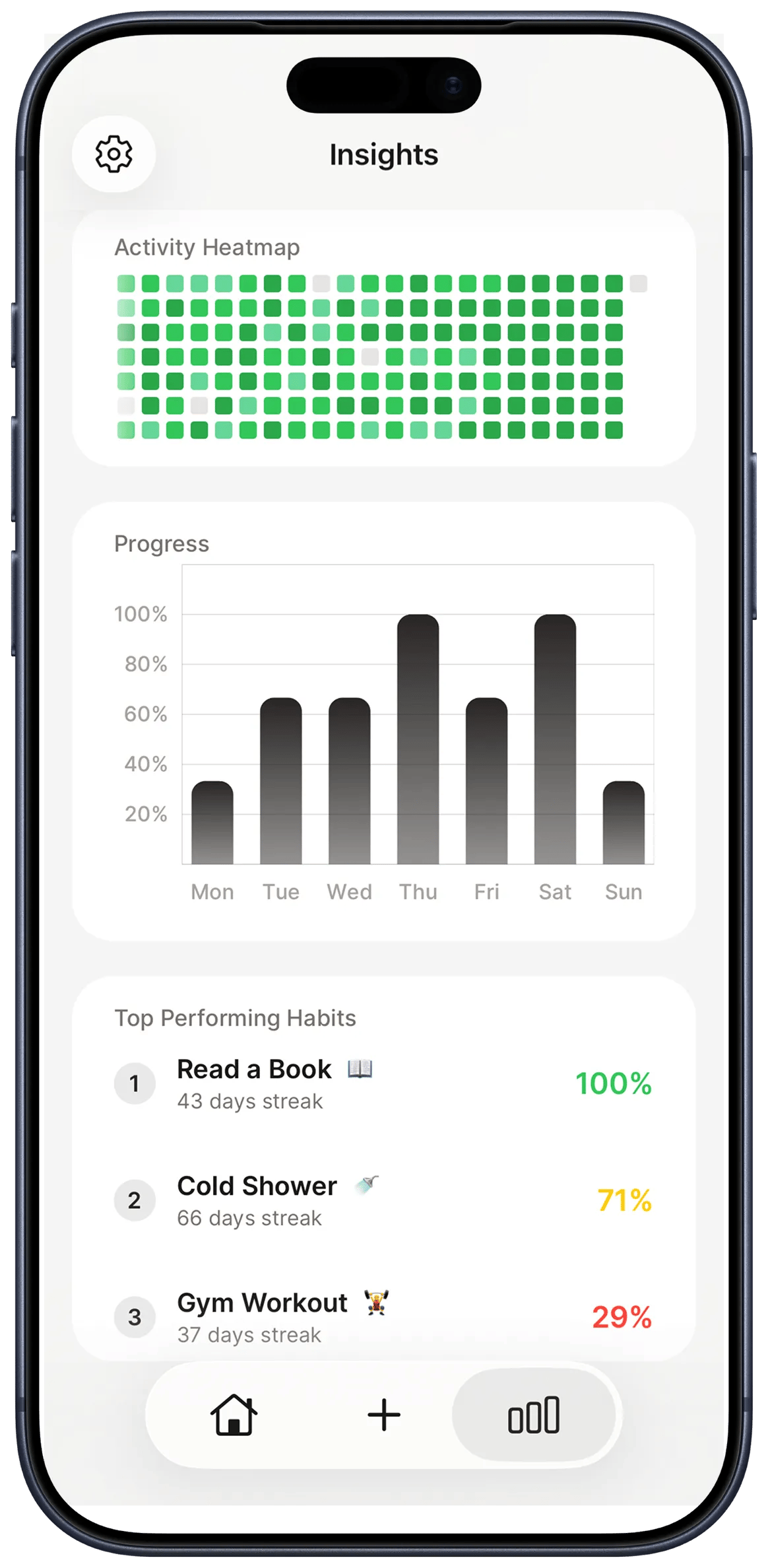
Where the 10,000-Step Goal Actually Came From
The 10,000-step target did not come from a clinical study. It originated as a marketing slogan in 1960s Japan, ahead of the 1964 Tokyo Olympics. A company called Yamasa designed a pedometer called "Manpo-kei," which translates to "10,000-step meter." The number was catchy, easy to remember, and chosen partly because the Japanese character for 10,000 resembles a person walking.
Despite its commercial origins, decades of subsequent research have shown that 10,000 steps is a reasonable daily goal for most healthy adults. It corresponds to roughly five miles of walking and typically burns between 300 and 500 calories, depending on your weight and pace. The number is not scientifically precise, but it has endured because it pushes most sedentary people well past the threshold where health benefits begin.
What the Research Actually Says
The science on daily steps has matured significantly in recent years. The short answer: benefits start much earlier than 10,000, but more steps continue to help.
A 2020 study by the NIH tracked 4,840 adults over a decade and found that people who walked 8,000 steps daily had a 50% lower risk of all-cause mortality compared to those walking 4,000 steps. Those who reached 12,000 steps saw a 65% reduction. Importantly, walking intensity (pace) did not matter -- total step volume was what counted.
A 2022 meta-analysis in The Lancet pooled 15 studies across nearly 50,000 people and found:
- Adults under 60: Mortality risk decreases until about 8,000-10,000 steps per day
- Adults 60 and older: Benefits plateau at 6,000-8,000 steps per day
- Across all ages: The top three step-count groups had a 40-53% lower risk of death compared to the least active group
A 2025 systematic review in The Lancet Public Health confirmed that roughly 7,000 steps per day was associated with reduced risk across all measured outcomes and could serve as a practical public health target. The incremental benefit of going from 7,000 to 10,000 steps was small but still present.
The takeaway: 7,000-8,000 steps is where the biggest health returns show up. Going to 10,000 adds marginal benefit, especially if you are under 60.
Health Benefits of Walking 10,000 Steps
Walking is one of the most underestimated forms of exercise. Here is what the evidence says it does for your body and mind.
Heart health. Each additional 500 daily steps is tied to a 7% lower risk of cardiovascular death. Regular walking lowers blood pressure, improves cholesterol profiles, and reduces resting heart rate over time.
Brain function. A study in JAMA Neurology found that walking roughly 9,800 steps per day was associated with a 50% reduction in dementia risk. Significant cognitive benefits appeared at just 3,800 daily steps.
Weight management. Walking 10,000 steps burns an average of 300-500 calories, depending on body weight and pace. A 155-pound person burns roughly 350-400 calories at 10,000 steps. Combined with a balanced diet, this can create a meaningful caloric deficit over time. If you are working on daily habits for sustainable weight loss, walking is one of the most accessible starting points.
Mood and mental health. Walking triggers the release of endorphins and reduces cortisol levels. Even a 10-minute walk has been shown to improve mood, and the effect compounds with consistency.
Sleep quality. Regular walkers report better sleep onset and quality. The physical fatigue from sustained daily movement helps regulate your circadian rhythm naturally.
50%
lower risk of dementia at ~9,800 daily steps
How to Gradually Increase Your Step Count
If you are currently averaging 3,000-4,000 steps, jumping to 10,000 overnight is a recipe for burnout. The most effective approach is gradual: add 500-1,000 steps per week until you reach your target.
Here is a practical 6-week ramp-up plan:
- Week 1-2: Establish your baseline. Track your steps for a few days without changing anything, then add 1,000 steps to your daily average
- Week 3-4: Add another 1,000 steps. Introduce a 10-15 minute walk after lunch or dinner
- Week 5-6: Push toward your goal. By now, walking should feel routine, and you can add steps more aggressively
This approach works because it aligns with how habits actually form. As the research behind the science of building healthy habits shows, consistency matters more than intensity in the early stages. Your brain needs repetition to build the neural pathways that make a behavior automatic.
Creative Ways to Get More Steps
Most people struggle not because walking is hard, but because fitting it into a full day feels impossible. Here are strategies that work without requiring dedicated "exercise time."
Stack walks onto existing habits. Habit stacking is one of the most reliable behavior-change techniques. "After I finish my morning coffee, I walk for 10 minutes." "After I park at work, I take the longer route to the entrance." Attach walking to something you already do.
Walking meetings and phone calls. Take calls on foot. A 30-minute walking meeting adds roughly 3,000 steps to your day. If you work from home, pace during virtual calls with your camera off.
Break it into chunks. You do not need to walk 10,000 steps in one session. Three 10-15 minute walks spread across the day add up to 3,000-4,500 steps and are easier to maintain.
Use your commute. Get off one bus or metro stop early. Park at the far end of the lot. Walk to nearby errands instead of driving. These micro-decisions compound over weeks.
Post-meal walks. A 10-minute walk after each meal adds roughly 3,000 steps and has the added benefit of improving post-meal blood sugar regulation.
Tracking Your Steps and Building a Streak
Tracking matters. A meta-analysis in the British Journal of Sports Medicine found that people who used pedometers or step trackers walked an average of 2,500 more steps per day than those who did not track. The act of measurement itself changes behavior.
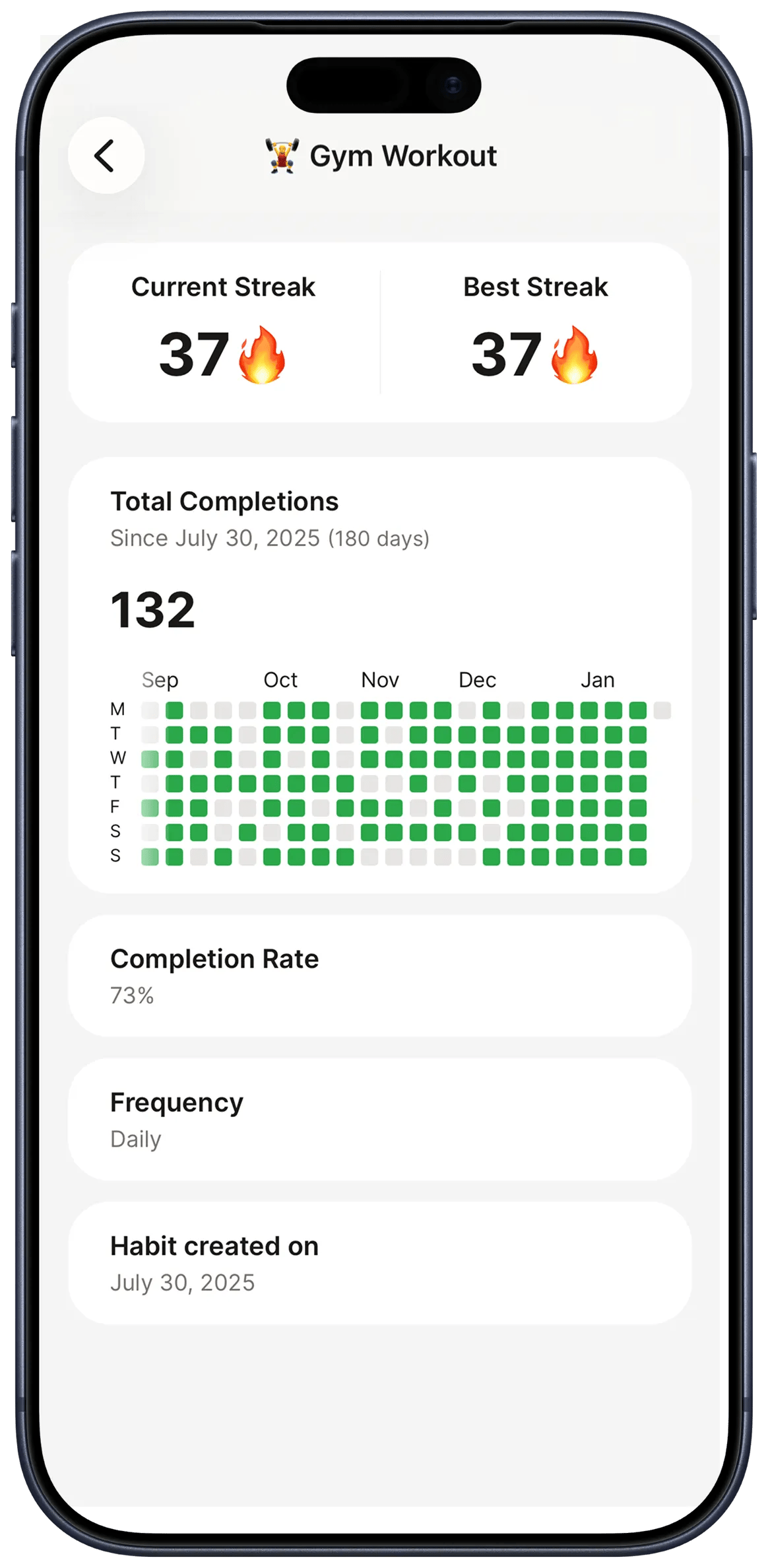
Most smartphones have built-in step counters, so you do not need a dedicated device to start. What makes the difference is pairing tracking with a streak -- a visual record of consecutive days you hit your target.
Streaks work because of a psychological principle called the "sunk cost effect." Once you have built a 14-day streak, breaking it feels like losing something. That emotional weight keeps you lacing up your shoes on days when motivation is low. Research on why streaks work shows that this is one of the most powerful drivers of long-term consistency.
If you want to make exercise a consistent habit, combining step tracking with a visible streak is one of the simplest setups that actually delivers results.
Do You Really Need 10,000 Steps?
Not necessarily. The right step target depends on your age, fitness level, and goals.
If you are over 60, research suggests 6,000-8,000 steps per day captures most of the longevity benefits. If you are under 60, aiming for 8,000-10,000 is well-supported by the evidence. If you are currently sedentary, even getting to 4,000-5,000 steps represents a meaningful improvement.
| Goal | Step Target | Best For |
|---|---|---|
| Getting started | 4,000-5,000/day | Currently sedentary adults |
| Solid health baseline | 7,000-8,000/day | Adults 60+, or anyone building consistency |
| Optimal range | 8,000-10,000/day | Adults under 60 seeking full benefits |
| Weight management | 10,000+/day | Combined with caloric awareness |
The number matters less than consistency. Walking 7,000 steps every single day will do far more for your health than walking 12,000 steps twice a week. If you are building this habit from scratch, focus on the fundamentals of habit formation first and let the step count grow naturally.
Set your daily step goal, track your streak, and watch the consistency compound.
Download FreeFrequently Asked Questions
How many calories do you burn walking 10,000 steps?▼
Most people burn between 300 and 500 calories walking 10,000 steps. The exact number depends on your body weight, walking speed, and terrain. A 155-pound person burns roughly 350-400 calories, while a 190-pound person burns about 400-450 calories.
How far is 10,000 steps in miles?▼
For most adults, 10,000 steps is approximately 4.5 to 5 miles (7 to 8 kilometers). Your exact distance depends on your stride length, which is typically around 2.2 to 2.5 feet for an average adult.
How long does it take to walk 10,000 steps?▼
At a moderate pace of about 3 miles per hour, walking 10,000 steps takes roughly 90 to 100 minutes. You do not need to do this all at once -- breaking it into three 30-minute walks works just as well.
Is 10,000 steps a day enough exercise?▼
For general health, 10,000 steps covers the recommended amount of moderate physical activity. However, if your goals include building muscle or improving cardiovascular fitness beyond walking, you may want to add strength training or higher-intensity exercise alongside your daily steps.
What if I can only walk 5,000 steps a day?▼
That is still a great start. Research shows meaningful health benefits begin at around 4,000 steps per day, with each additional 1,000 steps lowering all-cause mortality risk by about 15%. Aim to gradually increase over time rather than jumping to a higher number immediately.
- 1.Large study finds the sweet spot for daily step goalshealth.harvard.edu
- 2.Daily step goal of 10,000 steps: a literature reviewpubmed.ncbi.nlm.nih.gov
- 3.Number of steps per day more important than step intensitynih.gov
- 4.2022 meta-analysis in The Lancetthelancet.com
- 5.2025 systematic review in The Lancet Public Healththelancet.com
- 6.This Is the 'Optimal Number' of Steps to Walk to Prevent Cognitive Decline, Experts Saytoday.com
- 7.How Many Calories Do You Burn Walking 10,000 Steps?healthline.com
- 8.Expectations of pregnant women for antenatal care services and factors affecting anxiety severity during the COVID-19...pubmed.ncbi.nlm.nih.gov
- 9.Controlled ecological evaluation of an implemented exercise-training programme to prevent lower limb injuries in spor...pmc.ncbi.nlm.nih.gov