 By Adrien Blanc
How to Drink More Water: Build a Hydration Habit
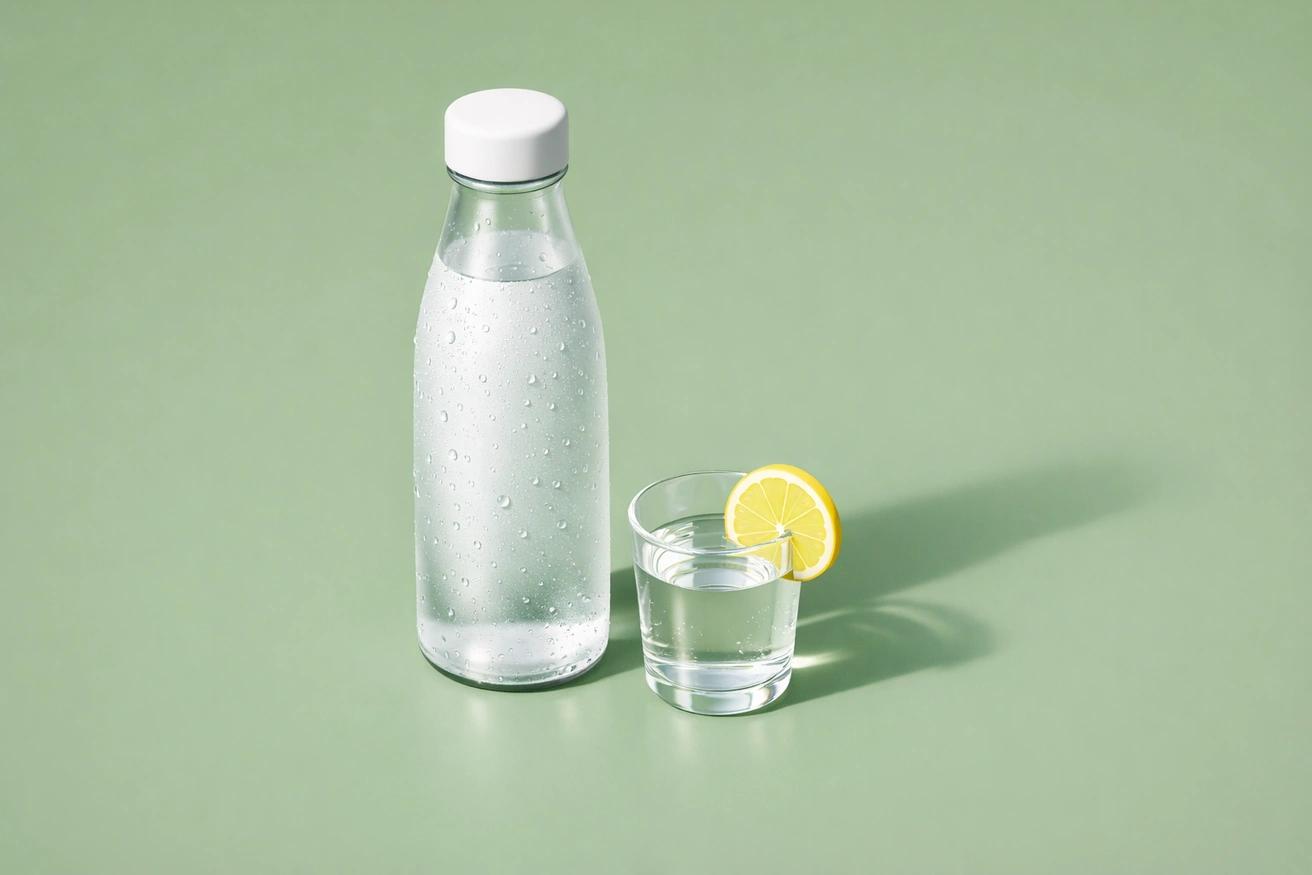
The simplest way to drink more water is to tie it to habits you already have. Drink a full glass when you wake up, one before each meal, and one before bed. That alone gets you close to half the daily recommendation. Most people know they should drink more water, yet over 50% of Americans fall short of recommended intake levels, according to NIH research. The gap between knowing and doing comes down to one thing: water drinking is not a habit for most of us. It requires a deliberate cue, a consistent routine, and a reason to keep going.
This guide breaks down the behavioral science behind hydration and gives you a practical system to make drinking water automatic. Whether you currently forget to hydrate until 3 PM or you just want a more consistent routine, these strategies work because they are built on how habits actually form.
Track your daily hydration habit alongside every other healthy routine you're building.
Download Free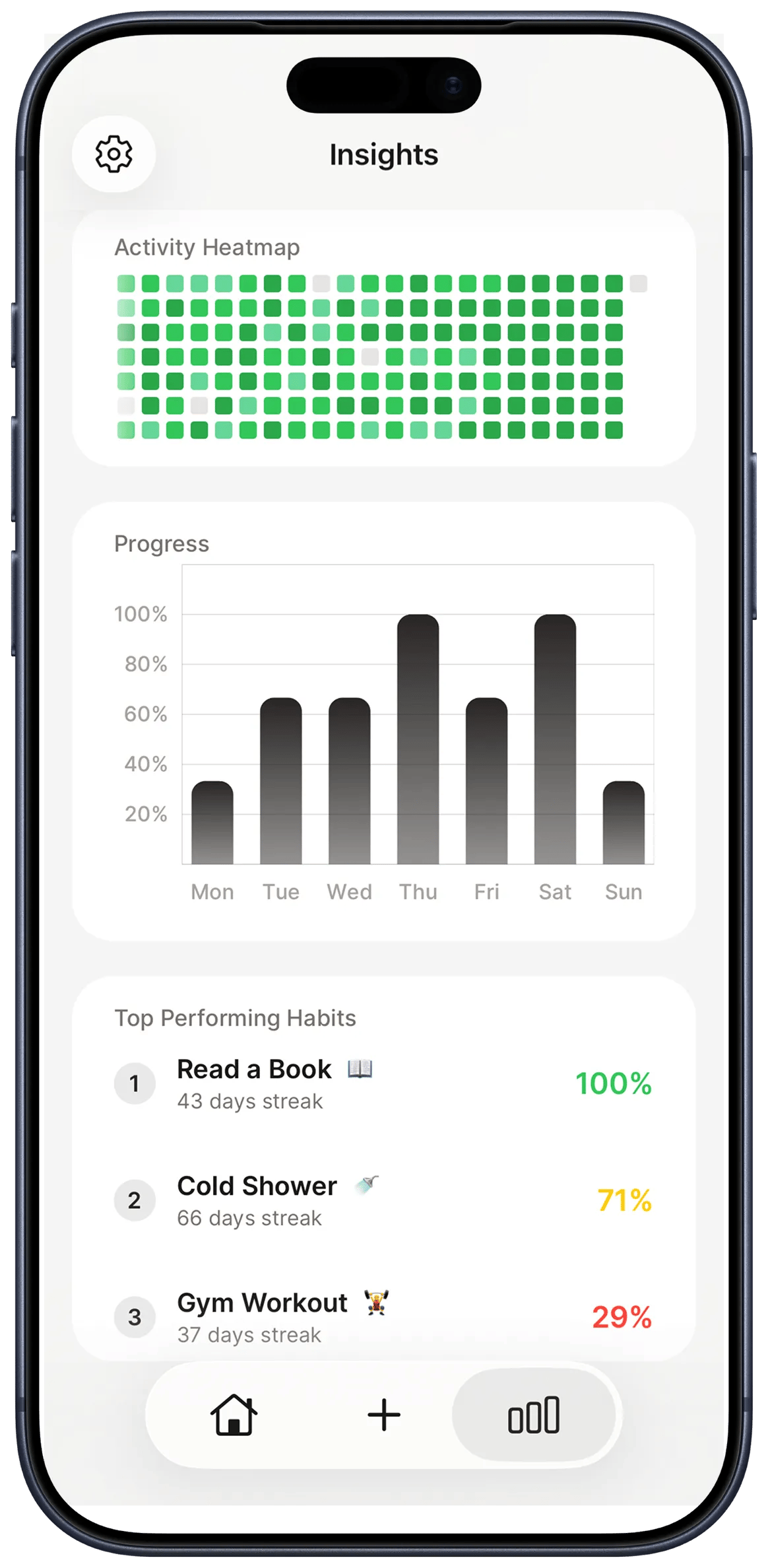
How Much Water Do You Actually Need?
Most adults need between 9 and 13 cups of total fluids per day. The National Academy of Medicine recommends approximately 125 ounces (3.7 liters) for men and 91 ounces (2.7 liters) for women, including fluids from all sources. About 20% of that comes from food, especially fruits and vegetables like cucumbers, watermelon, and leafy greens.
Your exact needs depend on:
- Activity level -- exercise and sweating increase demand
- Climate -- heat, humidity, and even dry cold weather raise fluid loss
- Body size -- larger bodies need more water
- Health status -- illness, pregnancy, and breastfeeding all change requirements
The real benchmark is simpler than memorizing numbers. Check your urine color. Pale yellow means you are well-hydrated. Dark yellow or amber means you need more fluids. This self-check is more reliable than counting cups because it adjusts automatically to your body and conditions.
50%+
of Americans do not meet recommended daily fluid intake levels
Why Drinking Enough Water Is So Hard
Water is free, widely available, and universally recognized as healthy. So why do so many people struggle? Research from Appetite journal found that water drinking is highly context-dependent. People form "situated habits" around water -- they drink reliably in certain contexts (like at their desk at work) but nearly forget when that context changes (weekends, travel, working from home).
Three patterns emerge:
- Thirst is an unreliable signal. By the time you feel thirsty, you are already mildly dehydrated. Participants in the study reported that thirst cues were easily suppressed or ignored during busy moments.
- Water lacks immediate reward. Unlike coffee or a snack, water does not give you an obvious dopamine hit. Without a perceived reward, the behavior struggles to become automatic.
- No natural trigger exists. Eating has mealtimes. Brushing teeth has morning and night. Water has no built-in prompt in most routines.
The fix is not willpower. It is designing your environment and routines so that drinking water becomes the default, not the exception.
Habit Stacking for Hydration
Habit stacking is one of the most effective techniques in behavioral science: attach a new behavior to something you already do automatically. It works because the existing habit serves as a built-in reminder. You do not need to remember anything new -- you just add a step.
Here are proven hydration stacks:
- After brushing teeth → drink a full glass of water
- Before each meal → drink a glass of water while you wait
- After every bathroom break → refill and take a sip
- When you sit down at your desk → take three sips before opening your laptop
- After pouring coffee → pour an equal glass of water beside it
The key is specificity. "Drink more water" is a vague intention. "Drink a glass of water after I brush my teeth in the morning" is a habit stack with a clear cue, action, and timing.
Research supports this incremental approach. A study on hydration behavior change found that participants who used structured habit stacking increased their daily water intake significantly -- and maintained those gains six months after the intervention ended. The behavior had become genuinely habitual.
Using Triggers and Reminders
If habit stacking is the long-term strategy, environmental cues are the scaffolding that supports you until the habit locks in. Making water visible and accessible dramatically increases consumption. Workplace studies show that keeping water in sight increases intake by 25-30% compared to when it must be retrieved from another location.
Practical triggers that work:
- Keep a water bottle on your desk, nightstand, and in your car. Visibility is the most powerful cue.
- Set phone reminders every 60-90 minutes during the first two weeks. Apps or simple alarms work.
- Use transition moments -- walking into a new room, starting a meeting, getting in the car -- as micro-cues to sip.
- Mark your water bottle with time-based goals (e.g., "finish to here by noon").
Social cues matter too. Research on workplace hydration shows that employees whose colleagues kept water bottles at their desks were significantly more likely to do the same. If you are trying to build this habit, having a visible water bottle signals the behavior to people around you -- and their mirroring reinforces yours.
Tracking Your Water Intake
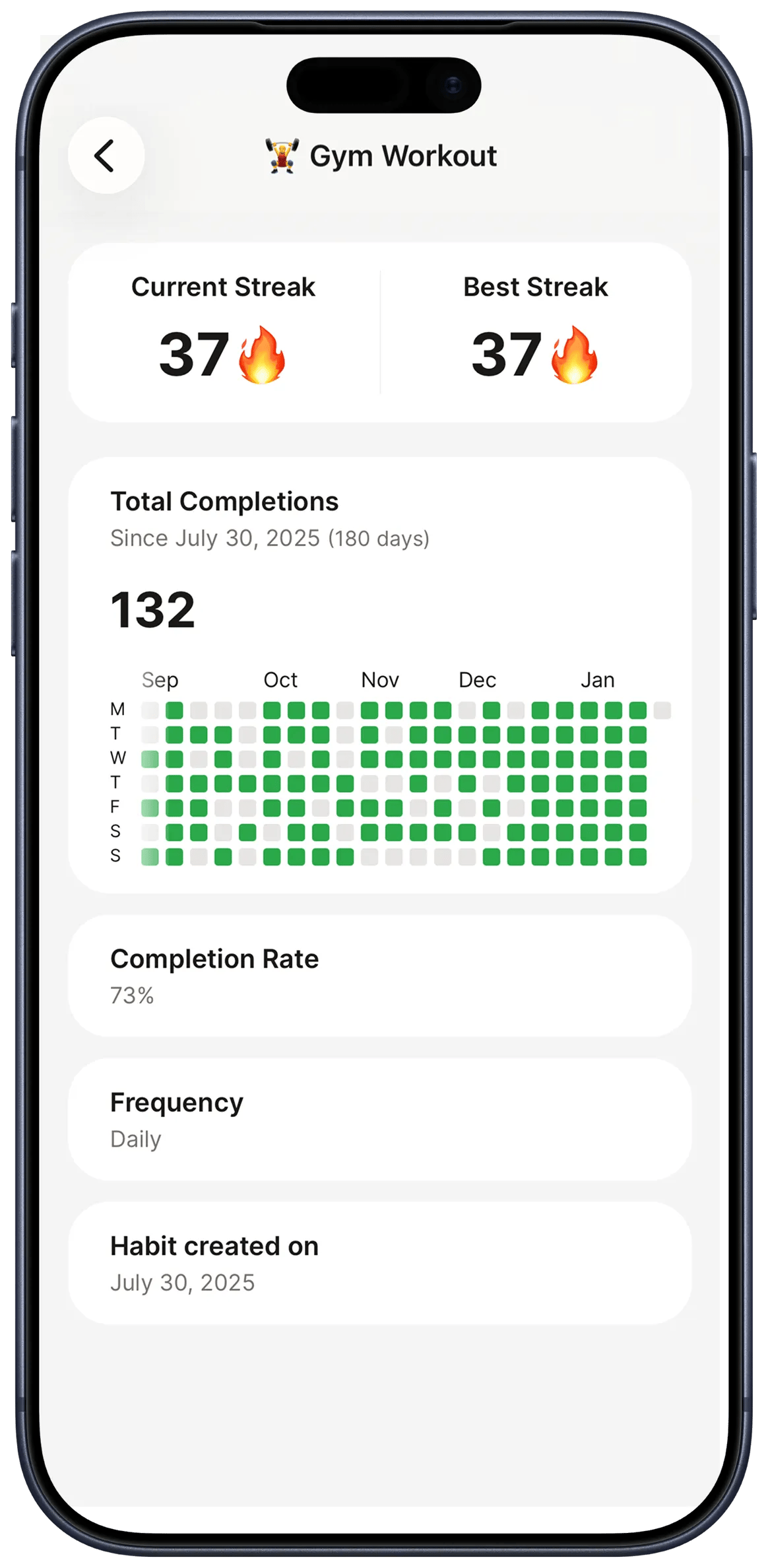
Tracking turns an invisible behavior into a visible one. When you log each glass, you create a feedback loop: you see your progress, feel a small sense of accomplishment, and build momentum. This is the same psychology behind streak tracking -- consistency becomes its own reward.
You do not need anything complicated. Options range from low-tech to app-based:
- Tally on a sticky note -- mark each glass throughout the day
- Rubber band method -- move a band from one wrist to the other each time you drink
- Habit tracking app -- log water alongside your other daily habits for a holistic view
- Smart water bottles -- some track intake automatically and sync to your phone
The goal is awareness, not perfection. If you normally drink three glasses and you track your way to five, that is meaningful progress. A meta-analysis on dehydration and cognition found that even mild dehydration of 1-2% body mass loss impairs attention, working memory, and motor coordination. Every extra glass counts.
50%
higher risk of accelerated biological aging for adults with poor hydration markers
The Health Stakes: Why Hydration Matters More Than You Think
A landmark NIH study published in 2023 followed over 11,000 adults for 30 years and found that those with higher serum sodium levels -- a marker of chronic underhydration -- had a 50% higher risk of being biologically older than their actual age and a 64% increased risk of developing chronic diseases including heart failure, stroke, dementia, and diabetes.
Lead researcher Dr. Natalia Dmitrieva put it plainly: "Staying optimally hydrated is a relatively easy lifestyle modification with potentially significant benefit: a longer disease-free life."
Beyond long-term disease risk, the short-term effects are just as compelling:
- Cognitive function: A meta-analysis in Medicine & Science in Sports & Exercise found that dehydration significantly impairs attention (effect size = -0.52) and motor coordination (effect size = -0.40).
- Mood and energy: Even at 1.5% body mass loss, studies report increased fatigue, tension, and anxiety.
- Physical performance: Dehydrated muscles fatigue faster and recover more slowly.
Making Water More Enjoyable
If you find plain water boring, you are not alone -- and it is not a character flaw. Research shows that perceived reward from drinking water is a key factor in whether the habit sticks. If water feels like a chore, you will resist it.
Simple ways to make water more appealing:
- Infuse with fruit -- lemon, cucumber, berries, or mint add flavor without sugar
- Try sparkling water -- the carbonation provides a sensory reward similar to soda
- Adjust temperature -- some people prefer ice-cold, others prefer room temperature. Experiment.
- Use a bottle you enjoy -- a well-designed water bottle can make the ritual feel satisfying
- Pair with a pleasant activity -- drink water while reading, listening to a podcast, or taking a break
Remember that other fluids count too. Herbal tea, milk, and water-rich foods like soup, oranges, and strawberries all contribute to your daily total. The Harvard T.H. Chan School of Public Health notes that the best approach is varied: a mix of plain water, other beverages, and hydrating foods.
Your 7-Day Hydration Kickstart Plan
Building a new habit works best when you start small and scale up. Here is a practical week-one plan:
- Day 1-2: Add one habit stack -- drink a glass of water right after brushing your teeth each morning.
- Day 3-4: Add a second stack -- drink water before lunch and dinner.
- Day 5-6: Place a water bottle at your desk or workspace. Set two phone reminders.
- Day 7: Start tracking. Log each glass with a simple tally or habit tracker.
After the first week, aim to add one more glass per day each week until you reach your target. Do not try to go from two glasses to eight overnight. Gradual progression builds real habits; drastic jumps build frustration.
Start tracking your water intake today and watch your hydration streak grow.
Download FreeFrequently Asked Questions
How many glasses of water should I drink per day?▼
General guidelines suggest about 9 cups (2.2 liters) for women and 13 cups (3 liters) for men from all fluid sources combined. About 20% comes from food. Your individual needs vary based on activity, climate, and body size. Monitoring urine color (aim for pale yellow) is the most practical way to gauge hydration.
Does coffee count toward my daily water intake?▼
Yes. While caffeine has a mild diuretic effect, the fluid in coffee and tea still contributes to your daily total. The net hydration benefit is positive. That said, plain water should still make up the majority of your fluid intake.
Can you drink too much water?▼
Yes, but it is rare for healthy adults under normal conditions. Overhydration (hyponatremia) happens when you drink so much water that sodium levels drop dangerously low. This is most common during extreme endurance exercise. For most people, the bigger risk is drinking too little, not too much.
How long does it take to build a water drinking habit?▼
Research suggests simple habits can become automatic in as few as 18 days, while more complex ones may take 66 days or longer. Hydration habits tend to form relatively quickly because the action itself is simple. Using habit stacking and consistent cues accelerates the process.
What are signs of mild dehydration?▼
Common signs include dark yellow urine, dry mouth, headache, fatigue, difficulty concentrating, and dizziness. Mood changes like increased irritability or anxiety can also signal mild dehydration. If you notice these symptoms, drink water immediately and review your daily intake habits.
- 1.Good hydration linked to healthy agingnhlbi.nih.gov
- 2.Water: How much should you drink every day?mayoclinic.org
- 3."I know it's just pouring it from the tap, but it's not easy": Motivational processes that underlie water drinkingpubmed.ncbi.nlm.nih.gov
- 4.Health Promotion and Hydration: A Systematic Review About Hydration Carepmc.ncbi.nlm.nih.gov
- 5.Habit Stacking: A Simple Secret To Staying Hydratedabsopure.com
- 6.Dehydration Impairs Cognitive Performance: A Meta-analysispubmed.ncbi.nlm.nih.gov
- 7.NIH study published in 2023thelancet.com
- 8.Mild dehydration impairs cognitive performance and mood of men | British Journal of Nutritioncambridge.org
- 9.perceived reward from drinking watersciencedirect.com
- 10.How Much Water Do You Need? • The Nutrition Sourcenutritionsource.hsph.harvard.edu