 By Adrien Blanc
11 Daily Habits for More Energy (Without More Caffeine)
You do not need another espresso. What you probably need is a different set of daily habits. According to the CDC's National Health Interview Survey, roughly 13% of U.S. adults report feeling very tired or exhausted most days or every day. Meanwhile, a National Safety Council survey found that 43% of Americans say they don't get enough sleep to think clearly, make sound decisions, or stay productive at work.
Caffeine masks fatigue — it doesn't fix it. The real fix involves addressing the root causes: poor sleep timing, dehydration, sedentary stretches, and chronic stress. The 11 habits below are backed by research and designed to raise your baseline energy without adding another milligram of caffeine to your day. Each one is simple enough to start this week, and most cost nothing.
43%
of Americans say they're too tired to function well at work
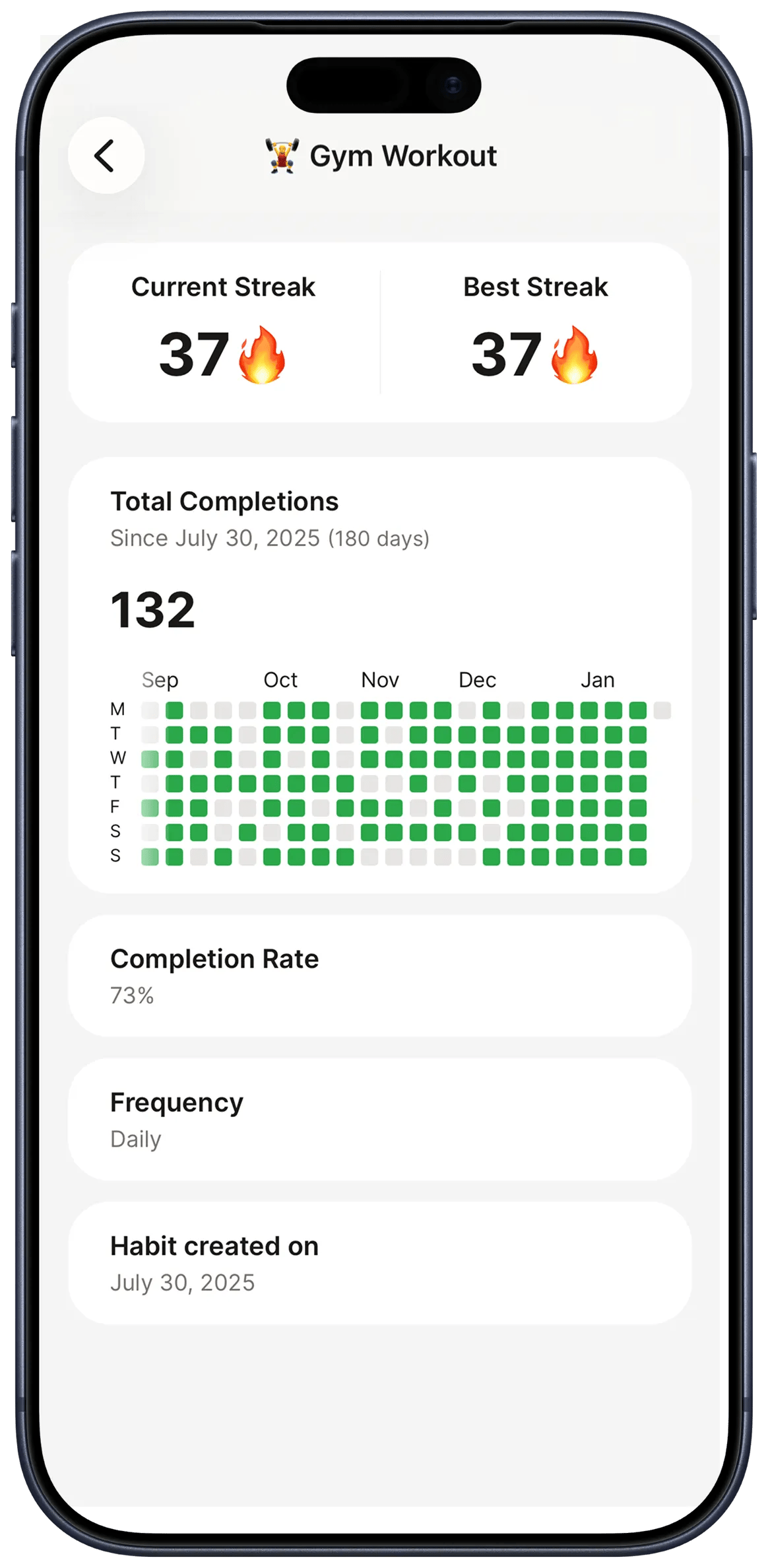
Track your new energy habits with daily streaks and reminders
Download Free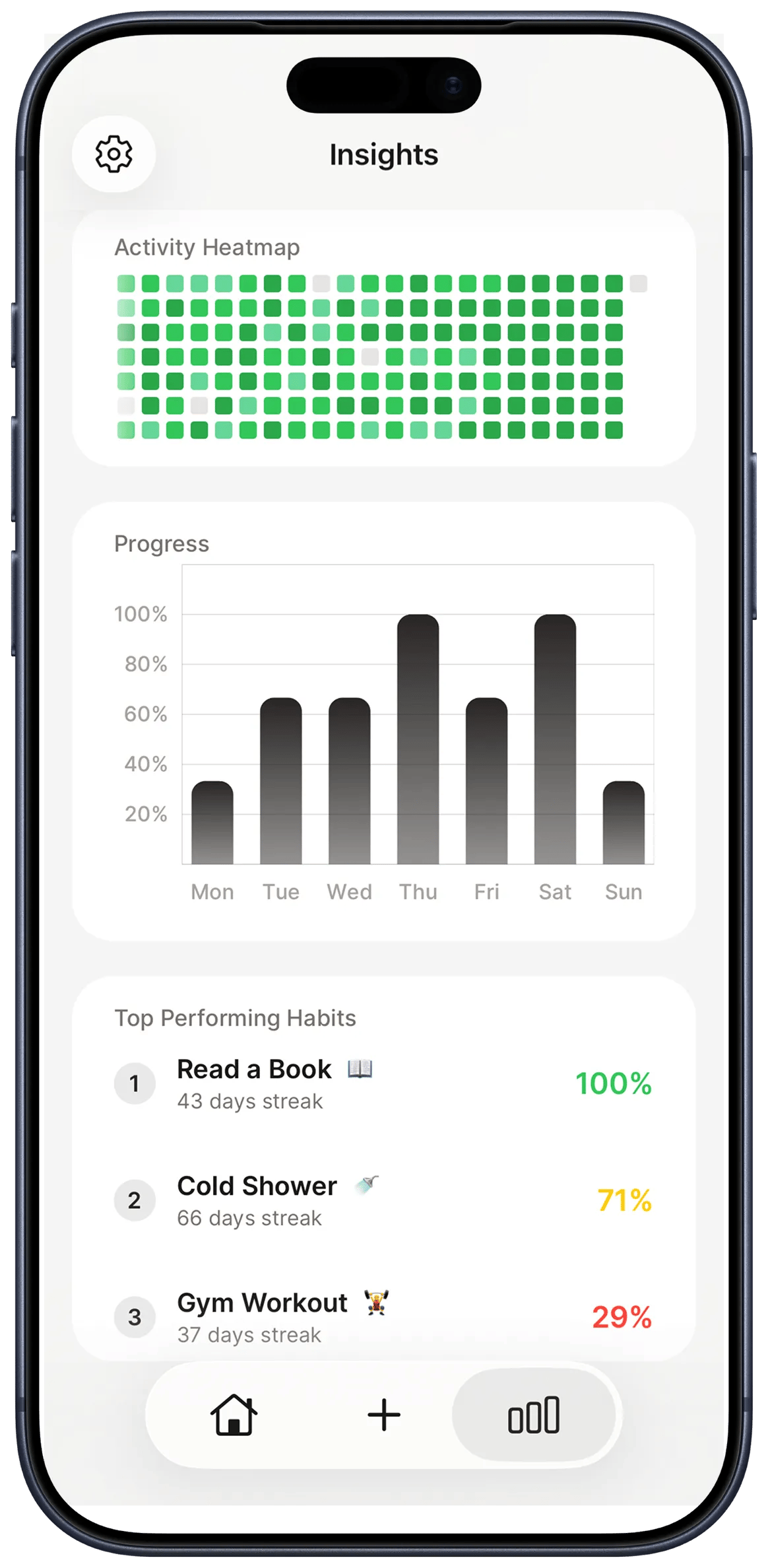
Why You Are Always Tired
Persistent fatigue rarely has a single cause. It usually comes from a combination of disrupted sleep, poor hydration, blood sugar swings, and unmanaged stress. Research from Harvard Health points out that stress-induced emotions consume enormous amounts of energy, while skipping meals or eating highly processed foods triggers blood sugar crashes that leave you sluggish by mid-afternoon.
Your body also runs on a roughly 90-to-120-minute ultradian cycle throughout the day, alternating between periods of high alertness and natural dips. Ignoring these cycles — pushing through when your brain signals it needs a break — accelerates mental fatigue and drains willpower.
The good news: most energy problems respond quickly to habit changes. Building a science-backed routine around sleep, movement, nutrition, and recovery can produce noticeable results in a matter of days.
Morning Sunlight Within 30 Minutes of Waking
Bright morning light is one of the most effective free energy tools available. A study published in the Journal of Clinical Endocrinology & Metabolism found that exposure to 800 lux in the early morning increased cortisol levels by approximately 35% compared to waking in dim light — a healthy cortisol spike that boosts alertness, focus, and metabolism for hours.
Morning sunlight also sets your circadian clock. A cross-sectional study of 1,762 adults found that morning sun exposure significantly reduced sleep midpoint and improved overall sleep quality, meaning you fall asleep faster at night and wake up more refreshed.
How to build the habit:
- Step outside for 5 to 10 minutes within the first 30 minutes of waking
- Skip sunglasses during this window — your eyes need the full-spectrum light
- Combine it with a short walk or outdoor breakfast to stack habits
Move Your Body Every Morning
Exercise is a natural energy multiplier. Even a 10-minute walk increases circulation, delivers oxygen to your cells, and triggers the release of endorphins. Harvard Health notes that regular movement — even brief bouts — keeps energy levels at their peak throughout the day.
You don't need an intense gym session. Research shows that yoga, brisk walking, and bodyweight exercises all reduce fatigue effectively. The key is consistency, not intensity. If you're just starting out, a short exercise habit for beginners is enough to feel the difference within a week.
What works:
- A 10-minute morning walk
- A few sets of bodyweight exercises (push-ups, squats, stretches)
- Light yoga or mobility work
Stay Hydrated Throughout the Day
Dehydration drains energy faster than most people realize. Researchers at the University of Connecticut found that even mild dehydration — just 1.5% loss of normal water volume — altered mood, increased fatigue, and impaired the ability to think clearly. These effects occurred whether participants were exercising or sitting at rest.
1.5%
body water loss is enough to cause fatigue and impaired thinking
Your thirst sensation doesn't appear until you're already 1 to 2% dehydrated, so waiting until you feel thirsty means the damage is already done. Building a daily water-drinking habit is one of the simplest ways to protect your energy levels.
Practical tips:
- Keep a water bottle visible at your desk
- Drink a full glass of water immediately after waking
- Set reminders if you tend to forget — a habit tracker makes this effortless
Eat for Energy, Not Comfort
What you eat matters as much as whether you eat. Foods with a low glycemic index — whole grains, nuts, vegetables, lean proteins — release energy slowly and avoid the sugar crash that follows refined carbs and pastries. Harvard Health recommends combining carbohydrates, fats, and proteins at each meal to sustain energy over hours rather than minutes.
Skipping breakfast is a common energy mistake. Studies show that people who eat a nutrient-rich breakfast report less fatigue, better short-term memory, and improved mood compared to those who skip it or grab something sugary.
Energy-supporting foods include:
- Oats and whole grains — slow-digesting carbs for sustained fuel
- Eggs, Greek yogurt, nuts — protein and healthy fats to prevent crashes
- Bananas — a study compared bananas to sports drinks in cyclists and found they provided equivalent fuel
- Leafy greens and legumes — rich in iron and B vitamins that support energy metabolism
Take Short Breaks Every 90 Minutes
Your brain isn't built for marathon focus sessions. Research on ultradian rhythms shows that your body cycles through alertness peaks and natural dips roughly every 90 to 120 minutes. During the peak phase, you experience heightened focus and mental clarity. After about 90 minutes, attention starts to wander — not because you're lazy, but because your brain is signaling it needs recovery time.
The fix is simple: take a 10-to-15-minute break between focus blocks. A quick walk, some stretching, or a few minutes of deep breathing allows your body to rebalance neurotransmitters and replenish cellular energy. Pushing through the dip leads to diminishing returns, while honoring the break helps you sustain higher energy across the full day.
Power Nap the Right Way
A short nap is not a sign of weakness — it's a performance tool. In a landmark NASA study, pilots who napped for 26 minutes experienced a 54% improvement in alertness and a 34% improvement in job performance compared to those who didn't nap.
The sweet spot is 10 to 20 minutes. A Flinders University study found that a 10-minute nap produced immediate improvements in alertness, cognitive performance, and vigor — benefits that lasted up to 155 minutes. Naps longer than 30 minutes risk triggering sleep inertia, leaving you groggier than before.
Napping rules:
- Keep it under 20 minutes
- Nap between 1 p.m. and 3 p.m. (your natural energy dip)
- Set an alarm — oversleeping defeats the purpose
- Skip the nap if it's after 3 p.m. to protect nighttime sleep
Manage Your Stress Daily
Chronic stress is one of the biggest hidden energy drains. When your body stays in a prolonged fight-or-flight state, cortisol remains elevated at the wrong times, disrupting sleep quality and burning through your mental reserves. Harvard Health notes that relaxation techniques like meditation, deep breathing, yoga, and tai chi are effective tools for reducing stress-related fatigue.
Even a few minutes of focused breathing can lower cortisol, improve oxygenation, and restore mental clarity. If you struggle with anxious thoughts draining your energy, building a meditation habit or working on habits for managing anxiety can make a significant difference.
Quick stress-management wins:
- 5 minutes of box breathing (inhale 4 seconds, hold 4, exhale 4, hold 4)
- A brief walk outside (combines movement, nature, and sunlight)
- Journaling for 5 minutes to offload mental clutter
Get Consistent Sleep
Sleep quality matters more than sleep quantity — but most people aren't getting enough of either. Experts recommend 7 to 8 hours per night, and research shows that maintaining a consistent sleep and wake time is more important than the total hours logged. Irregular sleep schedules confuse your circadian rhythm, making it harder to fall asleep and harder to feel alert when you wake up.
For a deeper look at optimizing your rest, check out the full sleep habits guide. The basics are straightforward:
- Go to bed and wake up at the same time every day — including weekends
- Avoid screens for at least an hour before bed — blue light suppresses melatonin
- Keep your bedroom cool and dark — temperature between 65 and 68 degrees Fahrenheit is ideal
- Limit caffeine after noon — it has a half-life of 5 to 6 hours
Reduce Decision Fatigue
Every choice you make — what to wear, what to eat, how to respond to an email — draws on the same pool of mental energy you use for focus and willpower. A well-known study of Israeli judges found that favorable rulings dropped from roughly 65% after a break to nearly 0% right before the next break, illustrating how accumulated decisions degrade the quality of our thinking.
The solution: eliminate unnecessary decisions from your day. The fewer trivial choices you make in the morning, the more mental energy you preserve for the work that matters.
Ways to reduce decision fatigue:
- Plan your outfits the night before
- Meal prep or rotate a set of go-to meals
- Use templates and routines for repetitive tasks
- Batch similar decisions together instead of scattering them throughout the day
Spend Time in Nature
A few minutes outdoors can reset your energy faster than you might expect. Research cited by Harvard Health suggests that walking outside on a clear day improves mood, memory, and the ability to absorb new information — while also boosting self-esteem. Nature exposure lowers cortisol, reduces mental fatigue, and improves attention without requiring any physical exertion.
Even a 10-minute walk in a park or sitting in a green space during lunch provides measurable benefits. Combine nature time with your morning sunlight habit and your exercise habit for a triple-stacked energy boost.
Limit Evening Alcohol
Alcohol is a sneaky energy thief. While it might help you fall asleep faster, it disrupts sleep architecture — reducing REM sleep, increasing nighttime awakenings, and leaving you less restored in the morning. Researchers have linked alcohol consumption to poor energy levels the following day, along with elevated cortisol and impaired mood.
If you drink, try these adjustments:
- Stop drinking at least 3 hours before bed
- Alternate each alcoholic drink with a glass of water
- Track how you feel the morning after drinking versus a sober night — the data often speaks for itself
Start building your energy-boosting habits today — track your streaks and see the difference
Download FreeFrequently Asked Questions
How long does it take for energy habits to make a difference?▼
Most people notice improvements within 3 to 7 days of consistent changes, especially with sleep timing, hydration, and morning sunlight. Deeper benefits like improved circadian rhythm and reduced fatigue accumulate over 2 to 4 weeks.
Can I boost my energy without exercise?▼
Yes — hydration, morning sunlight, better nutrition, and stress management all improve energy independently of exercise. That said, even light movement like a 10-minute walk has been shown to boost alertness and mood, so it's worth including if possible.
Is it better to nap or drink coffee when tired?▼
A 10-to-20-minute nap often outperforms caffeine. NASA research found naps improved alertness by 54% and performance by 34%. Coffee masks tiredness temporarily but can disrupt nighttime sleep if consumed in the afternoon, creating a cycle of fatigue.
Why do I crash after lunch every day?▼
The post-lunch dip is partly biological — your ultradian rhythm naturally dips around early afternoon — and partly dietary. Heavy, high-carb meals spike blood sugar and cause a crash. Eating a balanced lunch with protein, healthy fats, and complex carbs can reduce the severity.
How much water should I drink daily for energy?▼
While the common recommendation is 8 glasses (about 2 liters), individual needs vary based on body weight, activity level, and climate. A practical rule: if your urine is pale yellow, you're likely well hydrated. Dark yellow or amber signals you need more fluids.
- 1.Quickstats: Percentage of Adults Aged ≥18 Years Whocdc.gov
- 2.43 Percent of Americans Admit Theyohsonline.com
- 3.9 tips to boost your energy - naturallyhealth.harvard.edu
- 4.Use the Science of Ultradian Rhythms To Boost Productivity, Energy, and Willpowerbluezones.com
- 5.Light affects morning salivary cortisol in humanspubmed.ncbi.nlm.nih.gov
- 6.The role of sunlight in sleep regulation: analysis of morning, evening and late exposurepmc.ncbi.nlm.nih.gov
- 7.Even Mild Dehydration Can Alter Moodtoday.uconn.edu
- 8.11 Foods that Can Give You Energy and Beat Fatiguehealthline.com
- 9.NASA studyinc.com
- 10.Flinders University studysleep.com
- 11.Decision fatigueen.wikipedia.org