 By Adrien Blanc
No Phone in the Morning: How to Break the Wake-and-Scroll Habit
If you reach for your phone within seconds of waking up, you are training your brain to start every day in reactive mode. You hand control of your attention, mood, and stress levels to whatever notification happens to be on your lock screen. The fix is straightforward: keep your phone out of reach for the first 30 to 60 minutes after you wake up. According to IDC Research, 80% of smartphone users check their phone within 15 minutes of waking, and a Reviews.org survey found 89% do so within the first 10 minutes. That near-universal habit carries real neurological costs. A 2025 randomized controlled trial published in PNAS Nexus found that blocking mobile internet for two weeks improved sustained attention by an amount equivalent to reversing 10 years of age-related cognitive decline. The morning window matters most because your brain is at its most impressionable during the first hour after waking.
Track your phone-free morning streak and build the habit that protects your focus all day.
Download Free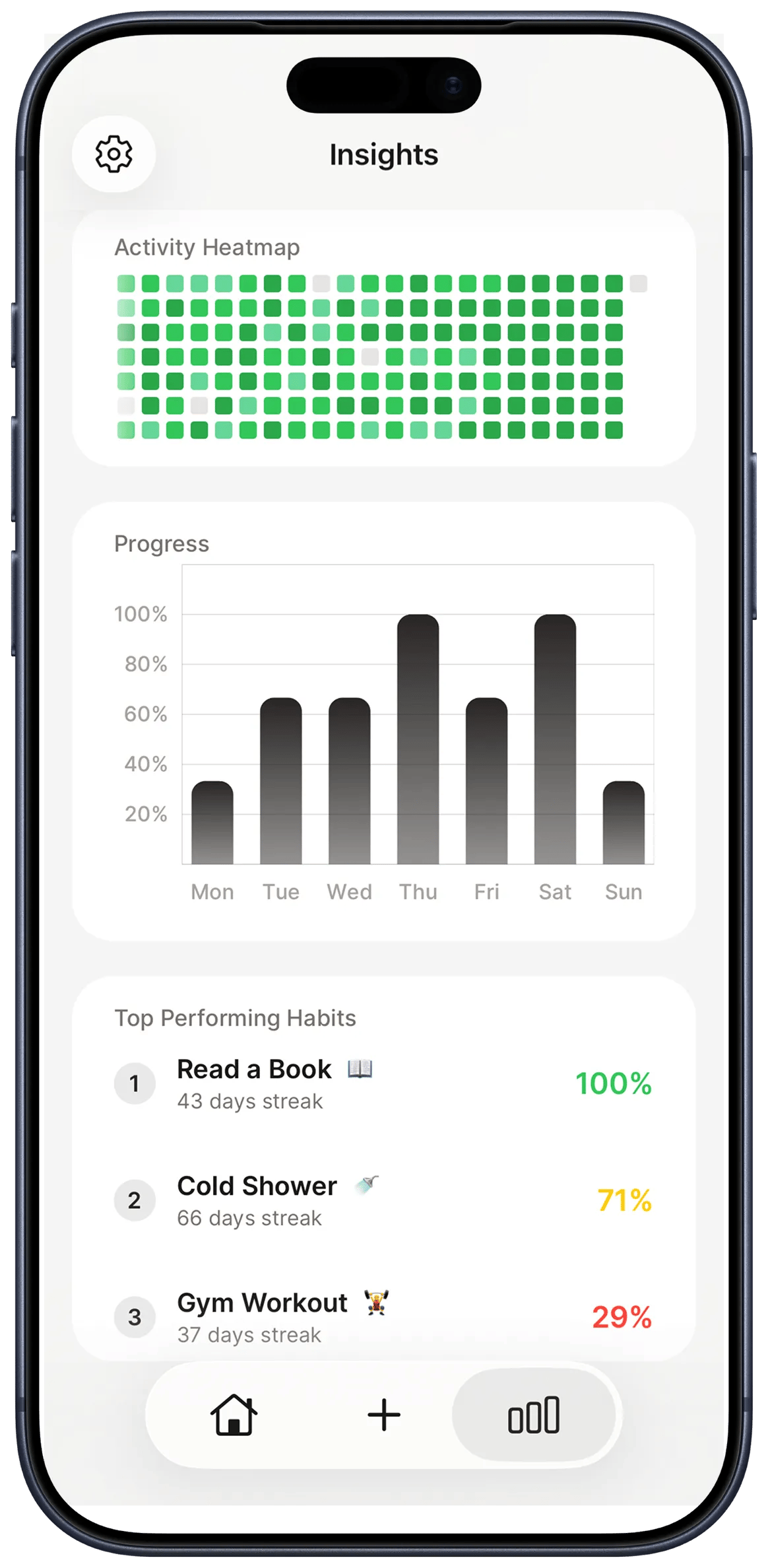
Why Checking Your Phone First Thing Is Harmful
Morning phone use hijacks the two neurochemical systems that regulate your focus and mood: dopamine and cortisol. When you scroll through notifications, social media, or news, you flood your brain with unpredictable reward signals during its most sensitive window.
Your brain does not flip on like a light switch. After waking, it transitions through distinct brainwave states, from the dreamy theta waves of half-sleep to the calm alpha waves of quiet wakefulness, before reaching focused beta waves. NHS surgeon Dr. Karan Raj explains that grabbing your phone forces your brain to skip the theta state entirely and jump straight into high-stress beta activity, undermining your body's natural waking transition.
This disruption does not stay contained to your first few minutes. It cascades. Research from the University of Texas at Austin found that even having your smartphone in the same room, face down and silent, reduces available cognitive capacity. If simply being near your phone drains brainpower, imagine the effect of actively scrolling through it the moment your eyes open.
80%
of smartphone users check their phone within 15 minutes of waking
The Dopamine Problem With Morning Scrolling
Your dopamine reward system is uniquely vulnerable in the first hour after waking. Overnight, your brain resets its reward circuits, leaving dopamine pathways in a heightened state of sensitivity. When you immediately hit those pathways with the rapid-fire stimulation of social media, email, or short videos, you recalibrate your baseline reward threshold for the rest of the day.
This means normal, healthy activities like eating breakfast, having a conversation, or starting a work task feel less satisfying by comparison. You have already given your brain a concentrated dose of novelty. Everything else pales.
The mechanism is the same one that makes slot machines addictive. Apps and feeds use unpredictable rewards (a funny video here, a like notification there) to trigger small dopamine hits that reinforce the scrolling behavior. When this happens first thing in the morning, it sets a high dopamine floor that your brain spends the rest of the day chasing.
Cortisol amplifies the problem. Studies have shown that phone use upon waking elevates cortisol levels, and one study found that immediate phone users had 31% higher cortisol at 90 minutes post-wake compared to those who waited. High cortisol makes the dopamine hits feel even more intense, creating a stress-and-stimulation cycle that is hard to break.
How to Set Up a Phone-Free Morning
The single most effective step is removing the phone from your bedroom entirely. Willpower is unreliable, especially when you are half-asleep. Environmental design is what actually works.
Here is a practical setup:
- Buy an analog alarm clock. This eliminates the main excuse for keeping your phone on the nightstand. A simple $10 clock solves the problem permanently.
- Charge your phone in another room. The kitchen or living room works. The goal is to create physical distance between you and the screen.
- Set a specific phone-free window. Start with 30 minutes and work up to 60. Knowing your "phone time" is coming reduces anxiety.
- Prepare the night before. Lay out clothes, pack your bag, and write tomorrow's top three tasks on paper so you have no reason to check your phone for practical information.
- Turn off non-essential notifications. When you do pick up your phone, you want a clean lock screen, not 47 red badges pulling you into reactive mode.
This approach works because it relies on your environment rather than your discipline. As habit researcher James Clear notes in the context of building routines, making the wrong behavior difficult is far more effective than trying to resist it.
What to Do Instead of Checking Your Phone
Replace the scroll with a short, low-stimulation activity that you genuinely enjoy. The habit sticks only if the alternative feels rewarding, not punishing.
Good replacements ranked by effort level:
- Drink water and look out a window. Sunlight exposure in the first 30 minutes helps regulate your circadian rhythm. This takes zero willpower.
- Stretch or move for five minutes. Even light movement clears adenosine (the sleepiness chemical) faster than caffeine does.
- Write three sentences in a journal. This does not need to be deep reflection. Writing "Today I want to..." gives your brain a sense of direction. A journaling habit compounds over time.
- Read a physical book or magazine for 10 minutes. Paper is key. An e-reader or tablet pulls you back into the notification ecosystem.
- Make and eat breakfast without screens. Pay attention to the food. This sounds basic, but it trains your attention muscle for the rest of the day.
The pattern across all of these is the same: you are giving your brain a calm, intentional start instead of a chaotic, reactive one. For more ideas, see our morning routine guide.
Dealing With FOMO and Anxiety
The anxiety you feel when you do not check your phone is real, but it is not evidence that you are missing something important. It is a withdrawal response. Your brain has been conditioned to expect a dopamine hit at this time, and it protests when the hit does not come.
Here is what helps:
- Name the feeling. Saying "This is a craving, not an emergency" takes the edge off. Research on breaking bad habits shows that awareness of the urge reduces its power.
- Set an emergency exception. Tell close family or your boss: "If something is truly urgent before 8 AM, call me." Knowing a genuine emergency can still reach you via phone call removes the rational basis for FOMO.
- Expect discomfort for two weeks. The PNAS Nexus study found that mood and well-being improved progressively over the two-week intervention. The first few days are the hardest. After that, most people report feeling noticeably calmer.
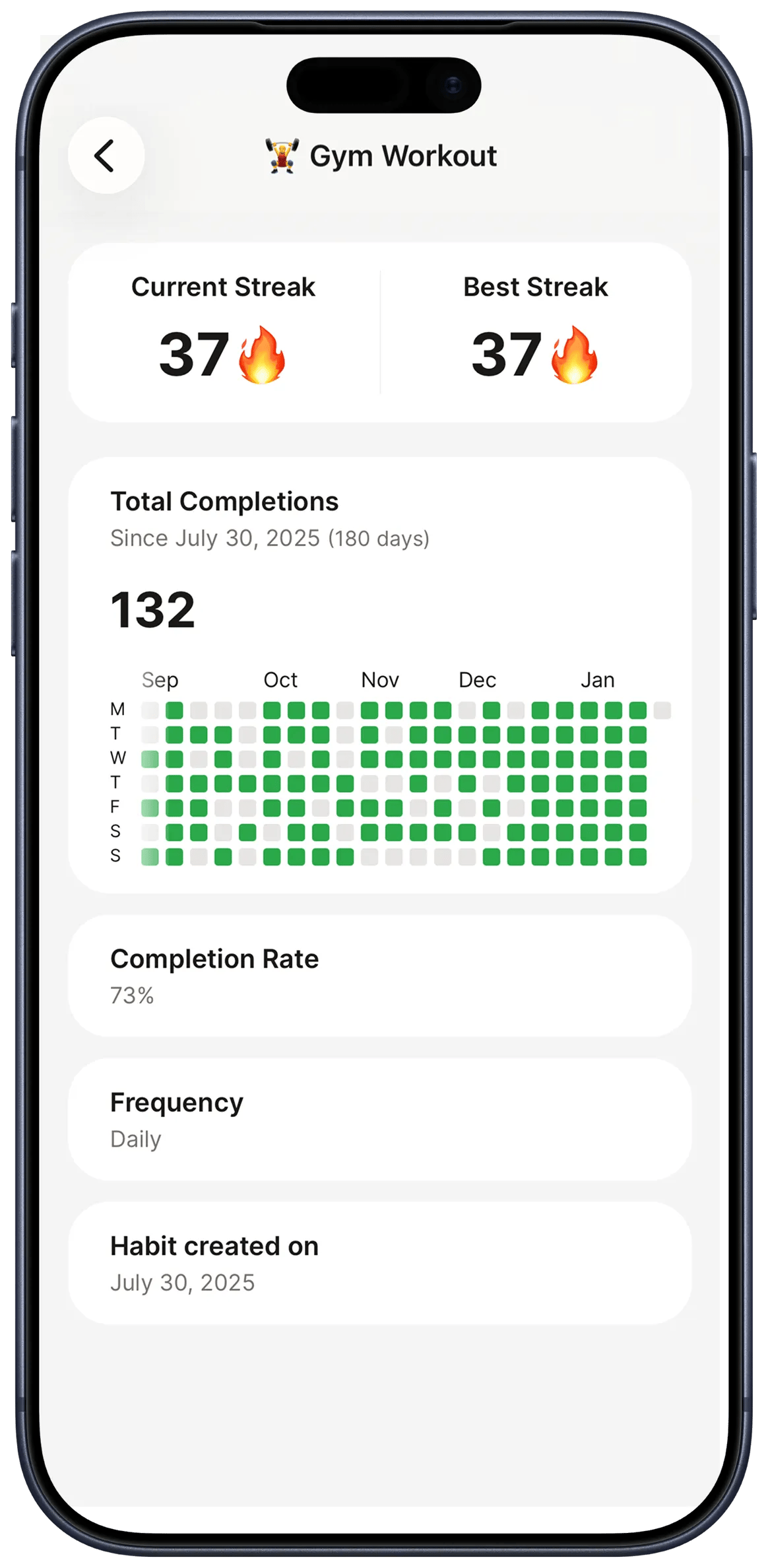
- Track your streak. Visible progress motivates continued effort. Seeing a seven-day chain of phone-free mornings makes the eighth day easier.
What the Research Says About the Benefits
People who delay phone use after waking report better focus, lower anxiety, and a greater sense of control over their day. The evidence is consistent across both experimental and observational studies.
91%
of participants improved on at least one measure of well-being, mental health, or attention after blocking mobile internet for two weeks
Key findings from recent research:
- Attention: The PNAS Nexus trial showed sustained attention improvements equivalent to reversing a decade of age-related decline. 91% of the 467 participants improved on at least one outcome.
- Mental health: 71% of participants in the same study reported better mental health, with depression symptom improvements exceeding those reported in multiple antidepressant medication studies.
- Sleep: Participants slept an average of 18 minutes more per night, as they also reduced screen time before bed.
- Social connection: Rather than feeling isolated, participants reported feeling more socially connected. They spent more time in face-to-face conversations and pursued hobbies they had neglected.
These results held even for participants who did not fully comply with the intervention. Partial reduction in morning phone use still produced measurable benefits. You do not have to be perfect, you just have to reduce the dose. For a broader look at how screen time reduction affects well-being, see our dedicated guide.
Building This Habit Gradually
You do not need to go from 60 minutes of morning scrolling to zero overnight. A gradual approach is more sustainable and less likely to trigger the rebound effect where you overcompensate later in the day.
A four-week ramp-up plan:
| Week | Phone-Free Window | Focus |
|---|---|---|
| 1 | 15 minutes | Move phone out of bedroom, use analog alarm |
| 2 | 30 minutes | Add one replacement activity (water + sunlight) |
| 3 | 45 minutes | Add a second activity (journal or stretch) |
| 4 | 60 minutes | Full first hour protected |
Tips for sticking with it:
- Pair it with a reward. Your morning coffee can become the ritual that marks the end of phone-free time. The anticipation gives you something to look forward to.
- Tell someone. Accountability matters. A partner, roommate, or friend doing the same challenge increases follow-through.
- Track it visually. Use a habit tracker or a simple calendar where you cross off each successful morning. Streaks create their own momentum.
- Forgive slip-ups immediately. One morning of phone-checking does not erase your progress. What matters is the pattern over weeks, not perfection on any single day.
Use Habit Streak to track your phone-free mornings. One tap each morning keeps your streak alive.
Download FreeFrequently Asked Questions
How long should I avoid my phone in the morning?▼
Aim for 30 to 60 minutes. Neuroscientists like Dr. Andrew Huberman recommend protecting the first 60 to 90 minutes after waking, but even 15 minutes of phone-free time makes a measurable difference. Start small and build up.
What if I need my phone alarm to wake up?▼
Buy a standalone alarm clock and charge your phone in another room. This is the single most effective change you can make. If you must keep your phone nearby, put it in a drawer on airplane mode so the alarm still works but notifications cannot reach you.
Will I miss urgent messages if I do not check my phone?▼
Set a clear rule with the people who matter: if something is genuinely urgent before your phone-free window ends, they should call. Phone calls still come through. In practice, most people find that nothing truly urgent happened during the 30 to 60 minutes they were offline.
Is it okay to listen to music or a podcast in the morning?▼
Music is generally fine, especially if you use a speaker or a device that is not your phone. Podcasts are a gray area since they can be stimulating and pull you toward your phone for controls. For the first two weeks, stick to low-stimulation alternatives while you break the scrolling reflex.
How long does it take to break the morning phone habit?▼
Most people notice reduced cravings within 7 to 14 days. The PNAS Nexus study showed progressive mood improvements over a two-week period. Research on habit formation suggests that simple habits solidify in about 21 days, while more complex ones can take up to 66 days.
- 1.Study: 80% Of People Grab Smartphone Within 15 Minutes Of Wakingcbsnews.com
- 2.Cell Phone Usage Statistics 2023: Mornings Are for Notificationsreviews.org
- 3.2025 randomized controlled trial published in PNAS Nexusacademic.oup.com
- 4.Your morning phone habit may be bad for your healthadvisory.com
- 5.The Mere Presence of Your Smartphone Reduces Brain Power, Study Showsnews.utexas.edu
- 6.How Your Morning Phone Routine Can Sabotage Your Daypsychologytoday.com
- 7.Why you shouldn’t reach for your smartphone first thing in the morningdigitalwellnessinstitute.com