 By Adrien Blanc
The Ultimate Morning Routine Guide for a Productive Day

A strong morning routine is one of the simplest ways to feel more focused, energized, and in control of your day. Research backs this up: a study of 840,000 people published in JAMA Psychiatry found that shifting your wake time just one hour earlier is associated with a 23% lower risk of major depression. And according to a 2025 survey by Kantar, 90% of Americans say their morning routine sets the tone for their mental wellness throughout the day.
The best morning routines are not about waking at 5 AM or following a rigid 20-step checklist. They are about stacking a few evidence-based habits that align with your body's natural biology — your cortisol cycle, circadian rhythm, and energy patterns — so you start each day with momentum instead of scrambling to catch up.
23%
lower depression risk from waking just one hour earlier
This guide covers the science behind why mornings matter, the best habits to include, sample routines for different schedules, and practical tips for becoming a morning person — even if you have never been one. If you are building a daily routine that actually works, your morning is the place to start.
Track your morning routine habits with Habit Streak
Download Free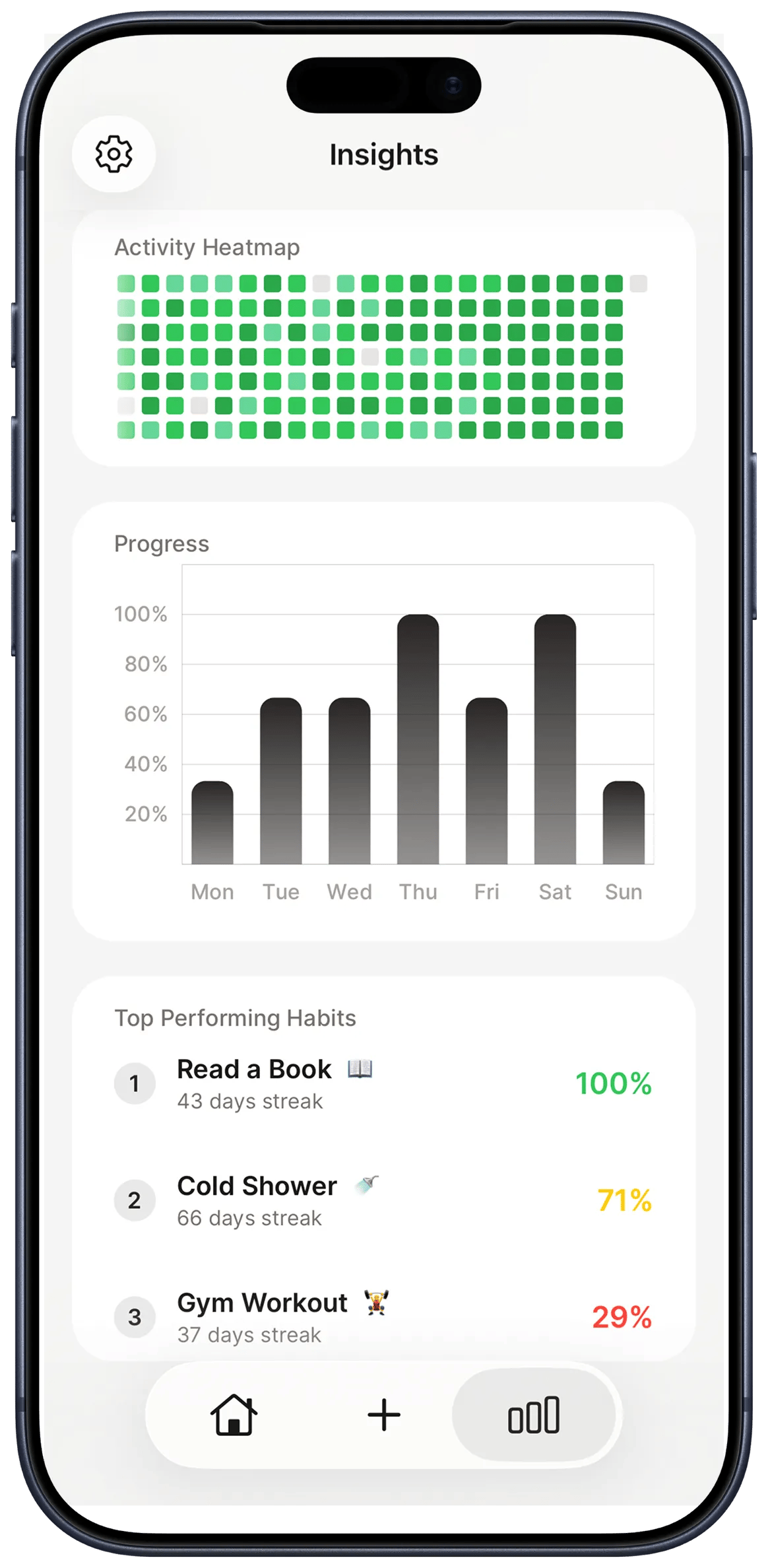
Why Your Morning Routine Sets the Tone for Everything
The first hour after waking is when your brain is most primed for new patterns. Neuroplasticity — the brain's ability to form and strengthen neural connections — peaks in the morning hours, making it the ideal time to reinforce habits.
There is also a hormonal reason mornings matter so much. When you wake up, your body triggers the cortisol awakening response (CAR): a natural surge of cortisol that peaks 30–45 minutes after waking, boosting alertness and focus. This is not the stress-related cortisol you want to avoid — it is the healthy kind that gets you moving and thinking clearly.
When you pair this natural cortisol spike with the right habits — sunlight, movement, hydration — you amplify your body's own wake-up system. Skip the routine or reach for your phone instead, and you are effectively letting someone else's priorities hijack your best cognitive hours.
The compound effect is real. People who maintain a consistent morning routine report 92% higher productivity compared to 79% among those without one. Small actions repeated daily create outsized results over weeks and months.
The Best Morning Habits Backed by Science
Not every morning habit is equal. Here are the ones with the strongest research support, ranked by impact.
1. Get Morning Sunlight (5–20 Minutes)
Morning light exposure is the single most powerful signal you can give your circadian clock. Stanford neuroscientist Andrew Huberman calls it one of the top five actions for mental and physical health.
When sunlight hits your eyes early in the day, it increases cortisol by up to 50%, suppresses leftover melatonin, and sets a biological timer that helps you fall asleep 14–16 hours later. On clear days, aim for 5–10 minutes outside. On overcast days, extend to 15–20 minutes — cloud cover reduces intensity but does not eliminate the benefit.
2. Hydrate Before Caffeine
After 7–8 hours of sleep, your body is mildly dehydrated. Research published in the Journal of the American College of Nutrition shows that even 1–2% dehydration — roughly the amount from a normal night of sleep — can impair attention, short-term memory, and reaction time.
Start with a full glass of water (adding a pinch of salt or electrolytes helps absorption). Delay coffee for 90–120 minutes after waking to avoid blunting your natural cortisol peak. This timing lets cortisol do its job first and makes caffeine more effective when you do drink it.
3. Move Your Body (Even for 10 Minutes)
Morning exercise improves cognitive function for the entire day, not just the hour after your workout. A 2019 study published in the British Journal of Sports Medicine found that 30 minutes of moderate-intensity morning exercise improved decision-making and executive function throughout an eight-hour workday.
You do not need a full gym session. A brisk walk, bodyweight exercises, or yoga all count. The key is raising your core body temperature and getting blood flowing to your brain. Even 10 minutes of movement delivers measurable benefits.
4. Practice Mindfulness or Breathwork (5–10 Minutes)
Meditation reduces the brain's stress-reactivity center. Research published in Psychiatry Research: Neuroimaging found that mindfulness practice reduced amygdala density — meaning the brain literally becomes less reactive to stress over time.
Morning is the best time for it. People stick with mindfulness practice more consistently when done in the morning compared to other times of day. Start with guided breathing: inhale for 4 counts, hold for 4, exhale for 6. Even five minutes trains your nervous system to handle stress better.
5. Set Your Top 3 Priorities
Planning your day in the morning reduces decision fatigue later. Research from the Journal of Management found that employees who plan their day in the morning report higher job satisfaction and lower stress.
Write down the three most important tasks for the day. Not ten — three. This forces you to identify what actually matters and protects your peak morning energy for deep work rather than reactive busywork.
6. Read for 10–20 Minutes
Reading is one of the fastest ways to calm a busy mind. A study from the University of Sussex found that just six minutes of reading reduced stress levels by 68% — more than listening to music, drinking tea, or going for a walk.
Morning reading also expands your thinking before the day narrows your focus to tasks and deadlines. Choose a book (not social media or news) to keep the benefits intact.
Sample Morning Routines by Time Available
The best morning routine is one you will actually do. Here are three options based on how much time you have.
15-Minute Morning Routine
For busy mornings when time is tight:
- Glass of water (1 min)
- Step outside for sunlight while stretching (5 min)
- Three deep breaths + write your top 3 priorities (4 min)
- Get ready and start your day (5 min)
This covers the biological essentials: hydration, light exposure, and intention-setting. It works because it is so short you cannot talk yourself out of it.
30-Minute Morning Routine
The sweet spot for most people:
- Glass of water with electrolytes (1 min)
- Morning sunlight walk (10 min)
- Bodyweight exercises or yoga (10 min)
- Journal or set daily priorities (5 min)
- Read a few pages (4 min)
This routine covers light exposure, movement, planning, and mental calm — all before you look at a screen.
60-Minute Morning Routine
For those who want to invest fully in their mornings:
- Hydrate (2 min)
- Morning sunlight (10 min)
- Exercise — run, gym, or home workout (25 min)
- Cold shower (3 min)
- Meditation or breathwork (10 min)
- High-protein breakfast (eat mindfully, no screens) (10 min)
- Plan the day — write top 3 priorities, review calendar
This is the full stack. Research from Bournemouth University found that even a five-minute cold water exposure increased alertness, reduced nervousness, and boosted feelings of inspiration.
How to Become a Morning Person
You do not need to change your personality — you need to change your sleep schedule. Most people struggle with mornings not because they are night owls by nature, but because their sleep timing is misaligned with their wake-up time.
Shift Gradually
Move your bedtime and wake time earlier by 15–20 minutes every few days. Jumping from midnight to 6 AM overnight almost always fails. Gradual shifts give your circadian rhythm time to adjust.
Anchor Your Wake Time
Wake at the same time every day, including weekends. This is the single most important factor in becoming a morning person. Your body cannot build a reliable rhythm if your wake time varies by two hours on Saturday.
Control Your Light Environment
- Morning: Bright light immediately after waking. Step outside or use a 10,000-lux light therapy lamp.
- Evening: Dim lights and reduce screen brightness 1–2 hours before bed. Blue light in the evening delays melatonin release and pushes your sleep later.
Respect Your Chronotype
Genetics influence whether you are naturally a morning lark or night owl. Research on chronotypes shows that people perform best when their schedule aligns with their biology. If you are a strong evening type, a 5 AM routine may backfire. Aim for a wake time that gives you morning routine time without fighting your genetics — 7 AM works just as well as 5 AM.
Prepare the Night Before
Lay out workout clothes, prepare breakfast ingredients, and set your coffee maker on a timer. Reducing morning decisions makes it easier to follow through when willpower is low. A solid evening routine is the secret weapon behind every consistent morning routine.
Morning Habits to Avoid
Some common morning habits actively work against your productivity and mood. Here is what to skip.
Hitting Snooze
Each snooze cycle puts you into a new light sleep phase, and waking from it causes sleep inertia — that groggy, foggy feeling that can last up to four hours. One firm wake-up is always better than three fragmented ones.
Checking Your Phone Immediately
Opening email, news, or social media within the first 30 minutes floods your brain with other people's priorities, triggering a reactive mindset. Your morning cortisol spike is designed for focused, proactive thinking — do not waste it on scrolling.
Skipping Breakfast (for Most People)
While intermittent fasting works for some, research published in the journal Obesity confirms that a high-protein breakfast increases satiety, reduces cravings, and improves focus throughout the morning. If you eat breakfast, prioritize protein and healthy fats over sugary cereals.
Starting with the Hardest Task Without a Plan
Jumping into cognitively demanding work without a plan leads to context-switching and wasted energy. Spend 5 minutes planning first, then execute.
How to Build and Track Your Morning Routine
Consistency is what turns a list of morning habits into an automatic routine. Research suggests it takes an average of 66 days to form a habit — but visible tracking dramatically speeds up the process.
Here is how to build your routine and make it stick:
- Start with one anchor habit. Pick the single habit that matters most to you (sunlight, exercise, or journaling) and do it for two weeks before adding more.
- Stack habits in a fixed order. When each habit triggers the next, you stop spending mental energy deciding what comes next. This is the core principle behind habit stacking.
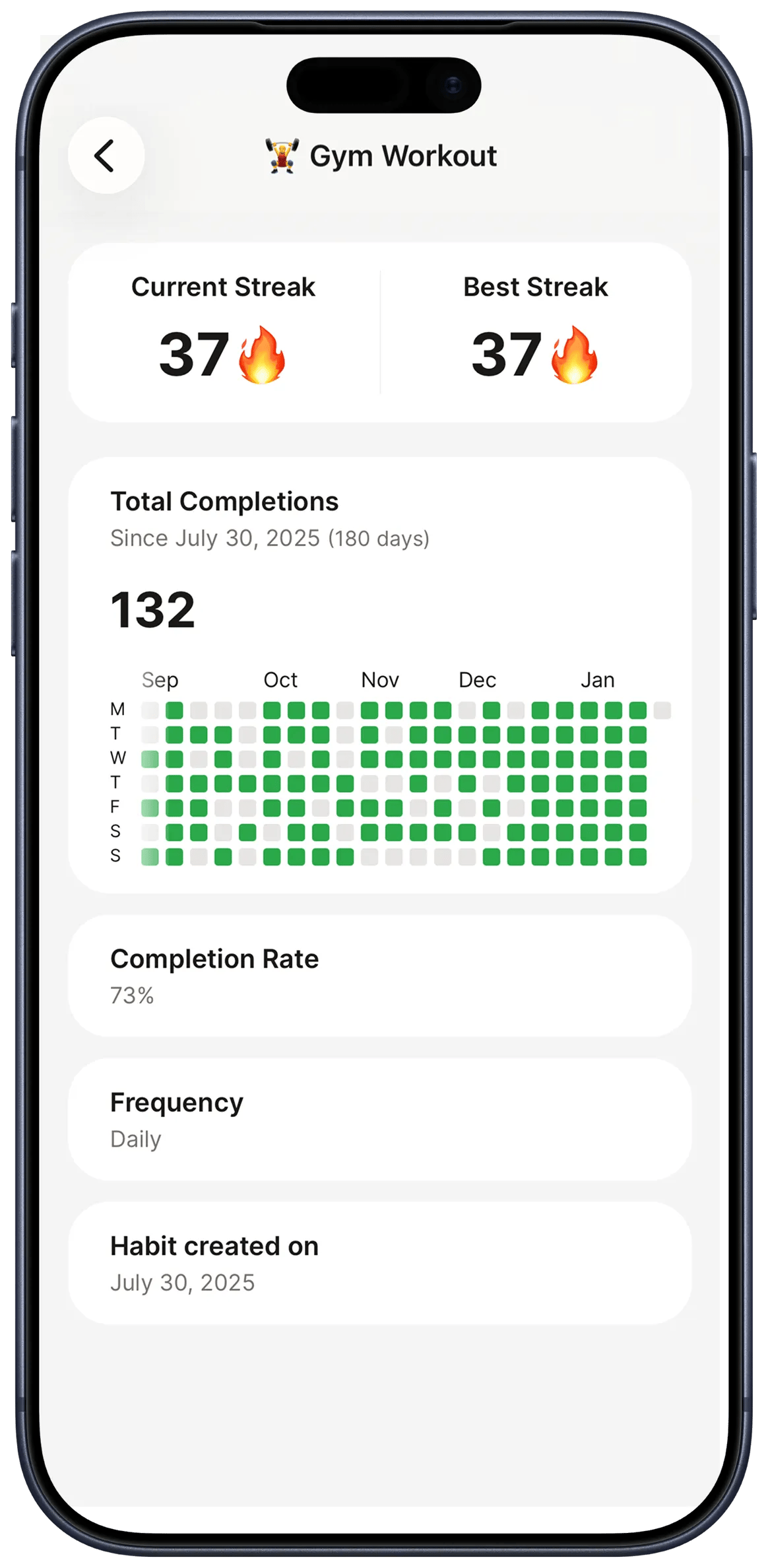
- Track your streak. Seeing an unbroken chain of completed mornings is one of the most powerful motivators. The psychology of streaks shows that the longer your streak, the less likely you are to break it.
- Give yourself grace. If you miss a day, do not abandon the routine — just do the 15-minute version. Two days off is a rest; three days off is a new pattern.
Build your morning routine streak — track it daily with Habit Streak
Download FreeFrequently Asked Questions
What is the best morning routine for productivity?▼
The most productive morning routine combines sunlight exposure (5–20 min), hydration before caffeine, physical movement (10–30 min), and a brief planning session where you identify your top 3 priorities. Research shows this combination optimizes your cortisol awakening response and primes your brain for focused work.
How long should a morning routine be?▼
An effective morning routine can be as short as 15 minutes. The key is consistency, not length. A 15-minute routine done daily beats a 90-minute routine done twice a week. Start small and expand only when the core habits feel automatic.
Is it better to exercise in the morning or evening?▼
For cognitive benefits, morning exercise has an edge. A 2019 study in the British Journal of Sports Medicine found that morning exercise improved decision-making and executive function for the rest of the day. However, the best time to exercise is whenever you will actually do it consistently.
How do I become a morning person if I'm a night owl?▼
Shift your bedtime and wake time earlier by 15–20 minutes every few days. Get bright light immediately upon waking and dim lights in the evening. Keep a consistent wake time on weekends. Most people can shift their schedule within 2–4 weeks with gradual changes.
Should I check my phone first thing in the morning?▼
No. Checking email or social media within the first 30–60 minutes puts your brain in reactive mode, responding to other people's priorities. Use your morning cortisol peak for proactive tasks like planning, exercise, or focused thinking instead.
- 1.Waking just one hour earlier cuts depression risk by double digits, study findssciencedaily.com
- 2.90% of Americans love morning routines, but most spend under 30 minutes on them: 'You're not set up to thrive,' exper...cnbc.com
- 3.Sleep and Circadian Regulation of Cortisol: A Short Reviewpmc.ncbi.nlm.nih.gov
- 4.Best morning routine: 22 habits for a productive day [2026] • Asanaasana.com
- 5.Using Light for Healthhubermanlab.com
- 6.Cognitive performance and dehydrationpubmed.ncbi.nlm.nih.gov
- 7.Morning exercise can improve decision-making across the day in older adultssciencedaily.com
- 8.Cognitive Benefits of Exercise: Is There a Time-of-Day Effect?pmc.ncbi.nlm.nih.gov
- 9.Morning Routine for Productivity: Boost Your Day Startssunsama.com
- 10.Reading For 6 Minutes Reduces Stress By 68 Percentanxietycentre.com
- 11.This is the optimal morning routine, according to sciencesciencefocus.com
- 12.Waking Up at 5am Could Make You More Productive, But There's a Catchsciencealert.com
- 13.10 Science-Backed Benefits of a Morning Routinemyva360.com