 By Adrien Blanc
How to Quit Smoking: A Habit Replacement Approach
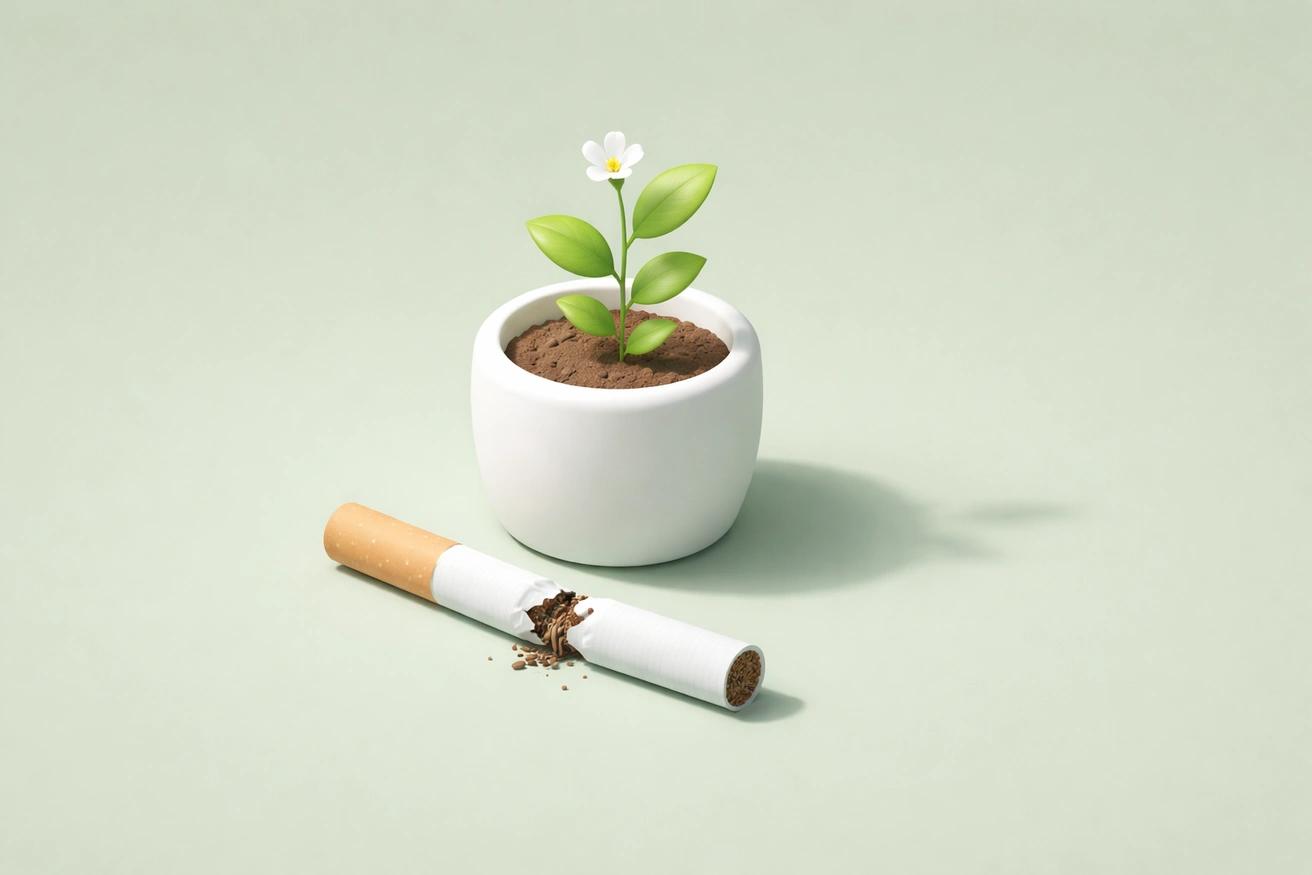
The most effective way to quit smoking is not to fight cravings with willpower alone, but to replace the smoking habit with healthier routines that satisfy the same underlying needs. Most smokers who try to quit cold turkey fail -- only 3 to 5 percent manage to stay smoke-free for six months or longer. Meanwhile, approaches that combine behavioral substitution with support tools can more than triple your chances of quitting successfully.
Smoking is not just a chemical addiction. It is a deeply embedded behavioral pattern -- a habit loop wired into your daily routines. Every morning coffee, every stressful phone call, every post-meal moment has been paired with reaching for a cigarette. The key to quitting is not leaving a void where smoking used to be, but filling it with something better. This article walks you through the habit replacement approach, grounded in behavioral science, so you can build a smoke-free life one routine at a time.
Track your smoke-free streak and build replacement habits with Habit Streak.
Download Free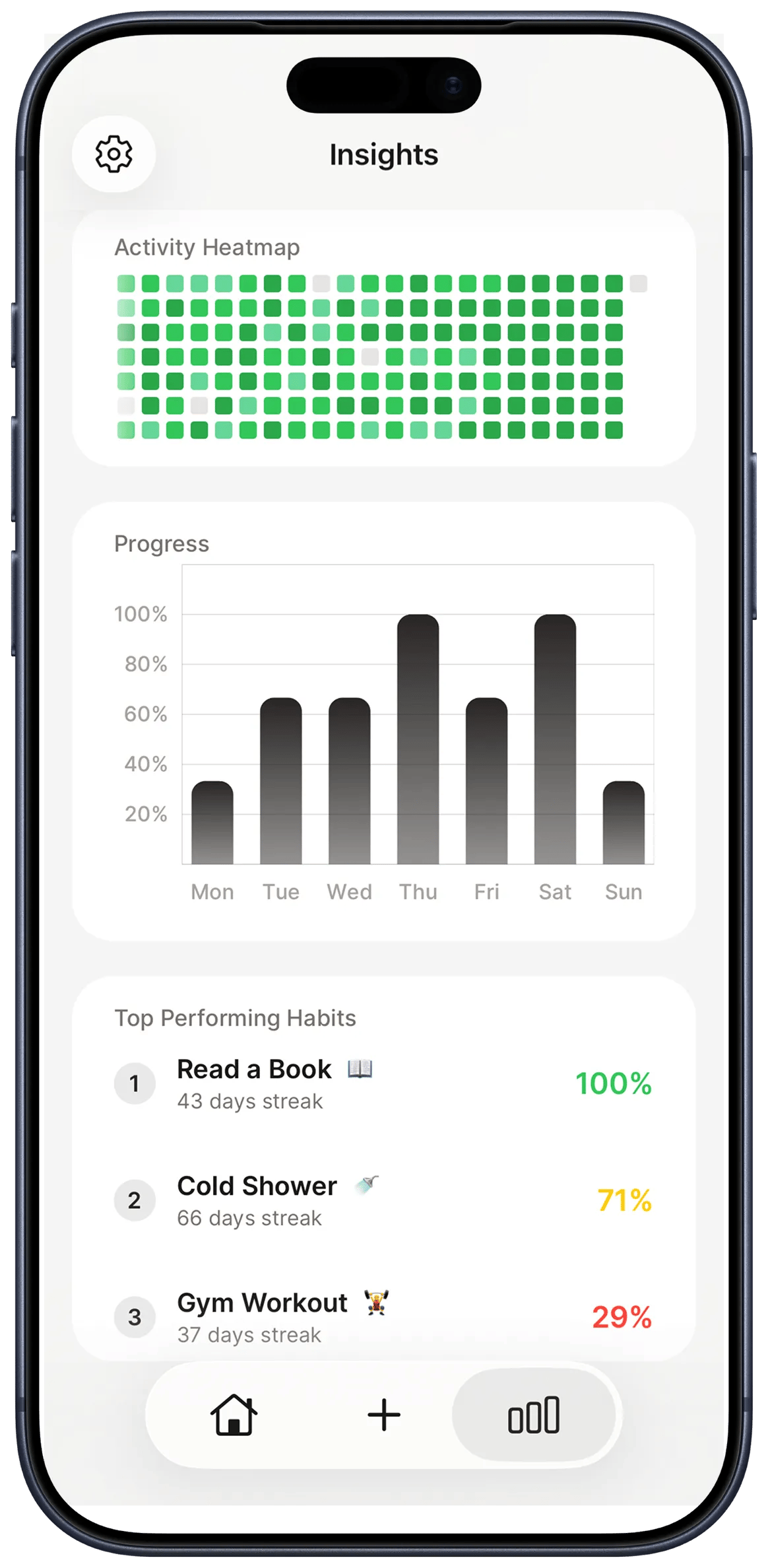
Understanding Smoking as a Habit Loop
Every habit -- including smoking -- follows the same neurological pattern described by researcher Charles Duhigg: a cue, a routine, and a reward. The cue triggers your brain to start the behavior, the routine is the behavior itself, and the reward is what your brain gets out of it.
With smoking, the cue might be finishing a meal, feeling stressed, or stepping outside during a work break. The routine is lighting up. The reward is the nicotine hit plus the brief sense of calm or social connection. What makes habits so persistent is craving -- your brain begins anticipating the reward the moment it detects the cue.
Here is the good news: research shows that the physical addiction to nicotine subsides within about 100 hours after your last cigarette. Many of the lingering urges weeks and months later are behavioral, not chemical. Your brain remembers the routine and craves the reward, even though the nicotine is long gone. This is exactly why the science of building healthy habits applies so powerfully to smoking cessation -- you can rewire the loop.
Mapping Your Smoking Triggers
Before you can replace the habit, you need to understand what drives it. Spend a few days tracking every cigarette you smoke and noting three things:
- The cue: What happened right before? (A stressful email, a coffee, boredom, a social setting)
- The time: When did it happen?
- The feeling: What emotional state were you in? (Anxious, restless, lonely, celebratory)
Most smokers find their triggers fall into a handful of categories:
- Stress and anxiety -- reaching for a cigarette to calm down
- Social situations -- smoking with coworkers or friends
- Routine transitions -- after meals, during commutes, on breaks
- Boredom or idle hands -- filling empty moments
- Morning rituals -- pairing coffee or tea with a cigarette
Write these triggers down. Research on behavioral interventions for smoking cessation shows that identifying your personal cues is a critical first step. You cannot change what you do not notice.
Choosing Replacement Habits for Each Trigger
The "golden rule" of habit change is straightforward: keep the same cue, swap the routine, and preserve a similar reward. Instead of trying to resist the urge, redirect it.
Here are research-backed replacement habits matched to common triggers:
For stress cravings:
- Practice the 4-7-8 breathing technique (inhale for 4 seconds, hold for 7, exhale for 8). Research shows that controlled breathing exercises significantly reduce cigarette craving and negative affect by activating the parasympathetic nervous system.
- Take a 10-minute walk. Physical activity releases endorphins and dopamine -- the same reward chemicals your brain craves from nicotine.
For social cravings:
- Chew sugar-free gum or hold a toothpick. This satisfies the hand-to-mouth motion.
- Step outside with coworkers but sip water or herbal tea instead.
For routine transitions:
- Replace the post-meal cigarette with a short meditation session or a brief walk around the block.
- Swap the morning cigarette-and-coffee ritual with tea and journaling.
For boredom:
- Pick up a manual hobby: sketching, knitting, playing guitar. Keeping your hands busy disrupts the automatic reach for a cigarette.
- Use a fidget tool or stress ball during idle moments.
3x
higher quit success rate when combining behavioral substitution with counseling or medication
The First 72 Hours: Survival Strategies
The first three days are the hardest. Nicotine withdrawal peaks during this window, and your brain is loudly demanding its old routine. Having a concrete plan is essential.
Here is what to expect and how to handle it:
- Hours 1-24: Irritability and restlessness build. Keep your replacement habits visible -- put the herbal tea on the counter, set reminders for breathing exercises, and remove all ashtrays, lighters, and leftover cigarettes from your environment.
- Hours 24-48: Cravings intensify. Use the "4Ds" technique: Delay (wait 3-5 minutes -- cravings peak and fade), Deep breathe, Drink water, and Distract yourself with activity.
- Hours 48-72: Physical withdrawal begins to ease, but emotional cravings may spike. This is when you lean hardest on your replacement habits. Each craving you ride out without smoking weakens the old neural pathway.
Tell someone you are quitting. Social accountability matters. Research shows that behavioral techniques targeting commitment and social reward predict higher cessation rates.
Building New Routines Around Former Smoking Moments
Once you survive the initial withdrawal, the real work begins: systematically rebuilding the daily moments that used to revolve around cigarettes. This is where habit stacking becomes a practical tool.
Morning routine: If your first cigarette came with coffee, redesign that entire sequence. Try: wake up, drink a full glass of water, step outside for fresh air (without a cigarette), then make your coffee. Pair the coffee with a new activity -- reading, stretching, or reviewing your daily goals.
Work breaks: Instead of a smoke break, take a "movement break." Walk a lap around your building, do a set of stretches, or practice a quick breathing exercise. You still get the break from work -- just without the smoke.
Post-meal ritual: Replace the post-meal cigarette with brushing your teeth, chewing mint gum, or taking a five-minute walk. The mint sensation is especially effective because it creates a fresh feeling in your mouth that makes the thought of smoking less appealing.
Evening wind-down: If you smoked to relax at night, explore alternatives like herbal tea, a warm shower, or a guided meditation practice. The goal is not to eliminate the relaxation, but to find a healthier route to the same calm.
Tracking Smoke-Free Days and Milestones
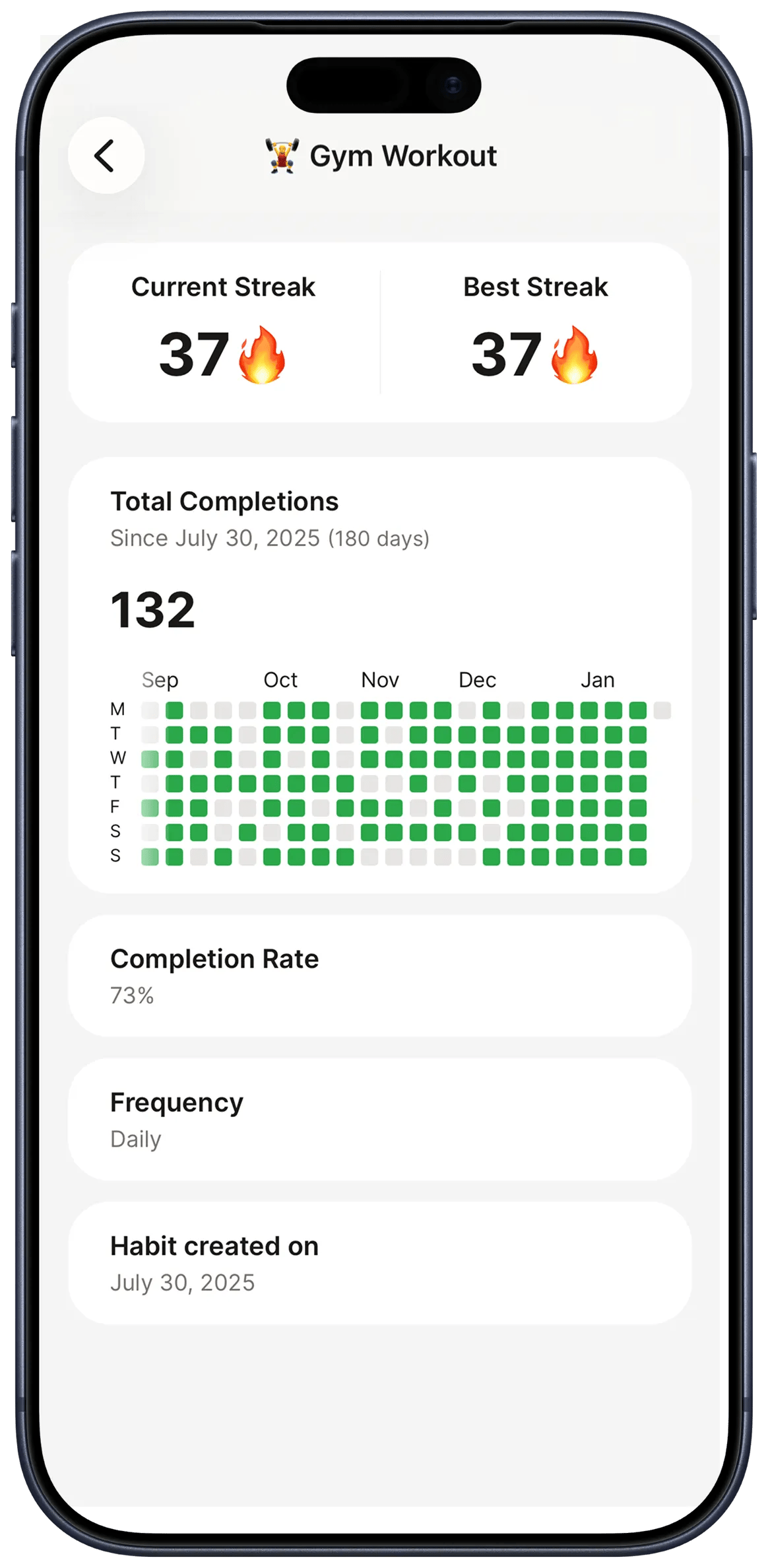
Tracking your progress is not just motivational -- it actively reinforces your new identity as a non-smoker. Every smoke-free day you log is data that proves you can do this.
8.8%
of adult smokers in the US successfully quit in 2022, up from 7.1% in 2018
Set milestones and celebrate them:
- 24 hours: Your heart rate and blood pressure begin to drop
- 72 hours: Nicotine is fully cleared from your body
- 2 weeks: Circulation improves and lung function begins to increase
- 1 month: Coughing and shortness of breath decrease
- 1 year: Your risk of coronary heart disease is cut in half
Research on identity-associated behavior change shows that viewing yourself as "a non-smoker" rather than "someone trying to quit" makes a measurable difference in long-term success. Tracking streaks reinforces this identity shift -- each day added to your streak is another piece of evidence that this is who you are now.
This is the same principle behind breaking any bad habit: the longer your streak of the new behavior, the stronger the new neural pathways become.
What to Do When Cravings Hit
Even months into your quit, cravings can reappear -- triggered by an old environment, a stressful event, or a social situation. This is normal, not a sign of failure.
Here is your craving response plan:
- Pause and name it. Say to yourself: "This is a craving. It will pass in a few minutes."
- Activate a replacement. Deep breathing, a walk, a glass of cold water, or chewing gum. Pick whatever you have rehearsed.
- Change your environment. If you are near a smoking area, move. Physical distance from the cue weakens the urge.
- Review your reasons. Keep a note in your phone listing why you quit. Read it during tough moments.
- Reach out. Text a friend, call a quitline, or open a support community. Combining behavioral support with other methods significantly improves outcomes.
Build your smoke-free streak one day at a time. Download Habit Streak to track progress and stay motivated.
Download FreeFrequently Asked Questions
How long do smoking cravings last after quitting?▼
Individual cravings typically last 3 to 5 minutes. The most intense cravings occur during the first 72 hours as nicotine leaves your body. Most people find that cravings become significantly less frequent and less intense after 2 to 4 weeks, though occasional urges can appear months later, especially in situations you used to associate with smoking.
What is the best replacement habit for smoking?▼
There is no single best replacement -- it depends on your triggers. For stress-related cravings, deep breathing exercises and short walks are most effective. For hand-to-mouth cravings, try sugar-free gum, a toothpick, or a fidget tool. The key is matching the replacement to the specific cue and reward your brain is seeking.
Does the habit replacement approach work without nicotine patches or medication?▼
It can, but combining behavioral strategies with pharmacological support (like nicotine replacement therapy, varenicline, or bupropion) produces the best results. The CDC reports that using counseling and medication together can more than triple your chances of quitting successfully compared to going it alone.
How many times does the average person try to quit smoking before succeeding?▼
Research suggests it takes an average of around 30 quit attempts before a smoker quits for good. This number varies widely depending on the individual, the methods used, and the level of support available. Each attempt is a learning opportunity -- not a failure.
Can tracking my smoke-free days really help me quit?▼
Yes. Tracking creates accountability, reinforces your new identity as a non-smoker, and provides visible proof of progress. Research on behavior change shows that identity-associated techniques -- seeing yourself as someone who does not smoke rather than someone trying to quit -- predict higher long-term cessation rates.
- 1.only 3 to 5 percent manage to stay smoke-free for six months or longertruthinitiative.org
- 2.100 hours after your last cigarettecharlesduhigg.com
- 3.Behavioral Interventions Associated with Smoking Cessation in the Treatment of Tobacco Usepmc.ncbi.nlm.nih.gov
- 4.The Effects of Mindfulness-Based Yogic Breathing on Craving, Affect, and Smoking Behaviorpmc.ncbi.nlm.nih.gov
- 5.Research shows that behavioral techniques targeting commitment and social reward predict higher cessation ratesonlinelibrary.wiley.com
- 6.Combining behavioral support with other methods significantly improves outcomescdc.gov
- 7.around 30 attempts before a smoker quits for goodsciencedirect.com