 By Adrien Blanc
Cold Shower Habit: Benefits, How to Start, and What to Expect
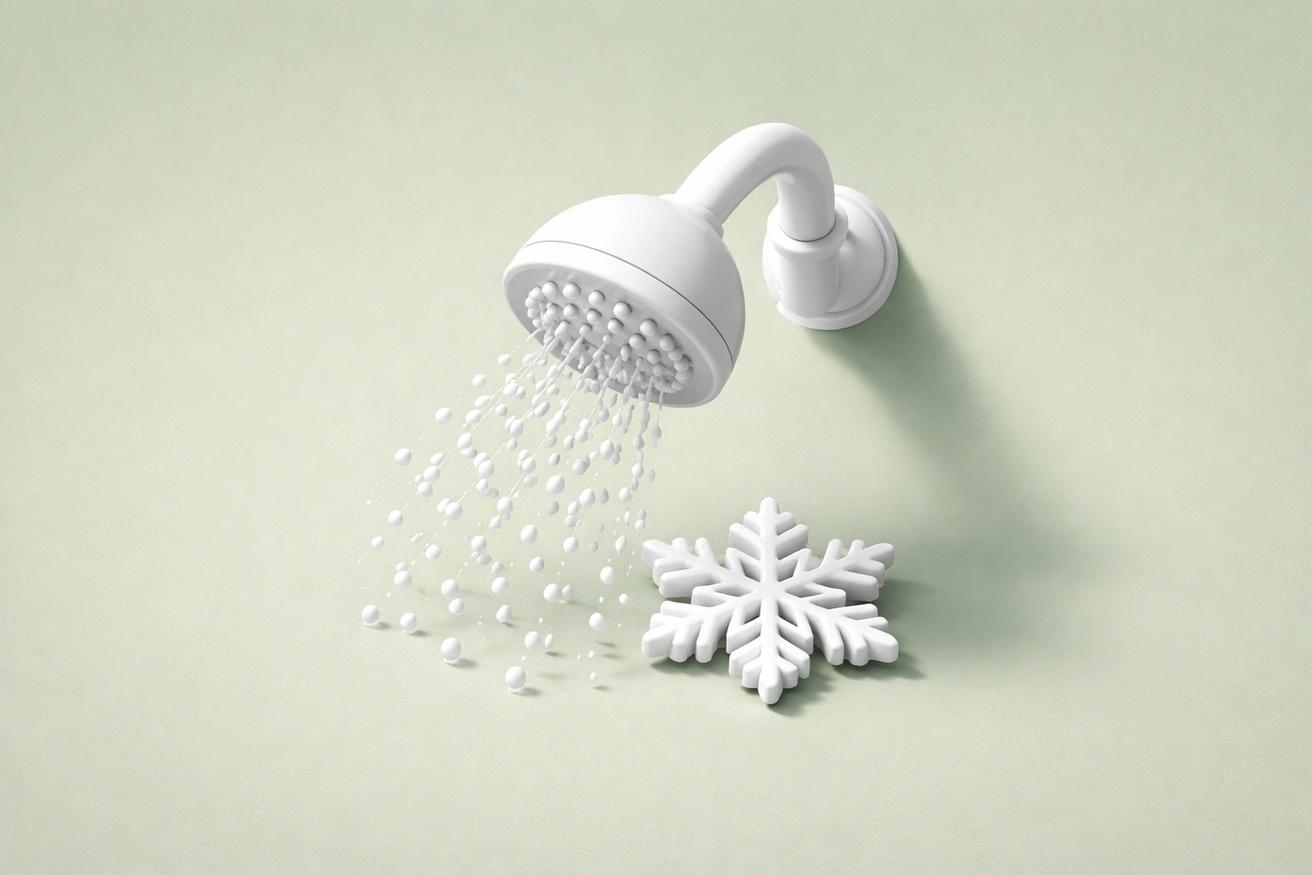
A cold shower habit is one of the simplest, cheapest, and most researched wellness practices you can adopt. Ending your shower with 30 to 90 seconds of cold water has been shown to reduce sick days by 29% compared to hot showers alone, according to a randomized controlled trial of 3,018 participants published in PLOS ONE. That reduction is nearly as large as the effect of regular exercise on sickness absence (35%).
Cold exposure triggers a cascade of physiological responses: your sympathetic nervous system fires up, norepinephrine floods your brain, and your body mobilizes energy to generate heat. Over time, these acute stress responses translate into better stress tolerance, improved circulation, and a stronger sense of mental resilience. A 2025 systematic review and meta-analysis of 11 studies confirmed significant stress reduction 12 hours after cold water immersion, along with improvements in sleep quality and overall quality of life.
The best part? You do not need an ice bath or a frozen lake. Your regular shower, turned to its coldest setting, is enough to start building this habit today.
Track your daily cold shower streak and watch your consistency grow over time.
Download Free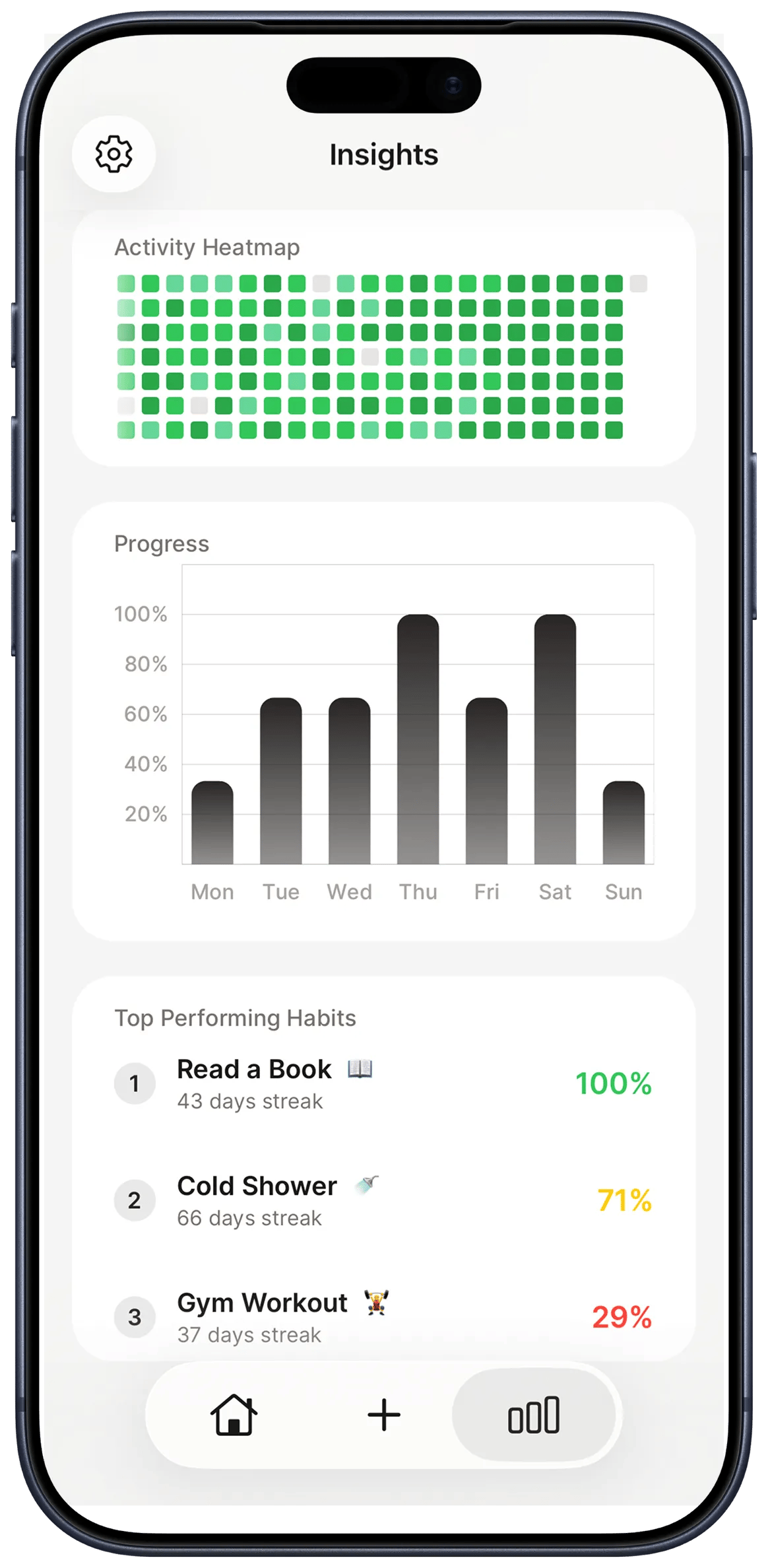
The Science Behind Cold Shower Benefits
Cold water triggers your body's fight-or-flight response, and that acute stress is where the benefits come from. When cold water hits your skin, thermoreceptors send alarm signals to your brain, which responds by releasing norepinephrine -- a neurotransmitter linked to focus, attention, and mood regulation.
530%
increase in norepinephrine during cold water immersion at 14°C
A study on human physiological responses to cold water immersion found that one hour of immersion at 14°C increased plasma norepinephrine by 530% and dopamine by 250%. Even shorter, more practical exposures produce meaningful results. A 5-minute ice bath at 8-12°C increased noradrenaline by 127-144%, with no significant difference between men and women.
What this means in practice: the alertness and mood lift you feel after a cold shower is not placebo. It is a measurable neurochemical shift that can last for hours.
Physical Health Benefits
Cold showers affect more than just your mood. The physical benefits span several body systems, and the evidence -- while still growing -- is promising.
Reduced sickness absence. The Dutch Cold Shower Trial found that participants who ended their showers with cold water for 30, 60, or 90 seconds had a 29% reduction in sick days. Interestingly, the duration of cold exposure (30 vs. 60 vs. 90 seconds) did not significantly change the outcome -- just doing it at all was what mattered.
Metabolic boost. Cold exposure activates brown adipose tissue (BAT), which burns glucose and fat to generate heat. A study published in Cell Reports Medicine found that experienced winter swimmers burned more calories during cooling than controls, and showed better glucose disposal after meals. Cold exposure reliably increases energy expenditure and activates brown fat, though it should not be viewed as a weight-loss strategy on its own.
Improved circulation. The rapid constriction and dilation of blood vessels during and after cold exposure acts like a workout for your vascular system, which may support long-term cardiovascular health.
Mental Health and Mood Benefits
Cold showers produce a noticeable mood lift, and the mechanism is straightforward: the surge in norepinephrine and beta-endorphins activates the same neural pathways targeted by many antidepressant medications.
A 2025 meta-analysis found that cold water immersion significantly reduced stress levels, though the effect appeared 12 hours post-exposure rather than immediately. People who maintained a cold shower routine also reported higher quality-of-life scores compared to those who showered normally.
Building mental toughness is perhaps the most underrated benefit. Every cold shower is a small act of voluntary discomfort -- you choose to do something hard when you could easily avoid it. Over weeks and months, this trains your capacity to handle stress and resist avoidance. This concept aligns closely with the science of building healthy habits: small, consistent actions compound into meaningful changes.
How to Start: The Gradual Approach
You do not need to jump into a freezing cold shower on day one. In fact, a gradual approach is more effective for building a lasting habit because it lowers the psychological barrier to getting started.
The contrast method is the easiest entry point:
- Start warm. Take your normal shower as usual.
- End cold. In the last 15-30 seconds, turn the water to cold.
- Focus on breathing. Take slow, deep breaths through your nose. Resist the urge to gasp or hold your breath.
- Increase gradually. Add 5-10 seconds each session until you reach 60-90 seconds of cold water.
This approach works because it uses habit stacking -- you are attaching the new behavior (cold exposure) to an existing routine (your daily shower). There is no extra time commitment, no special equipment, and no scheduling required.
Week-by-Week Cold Shower Progression
Here is a realistic timeline for building your cold shower habit over four weeks.
Week 1: The Introduction. End each shower with 15-30 seconds of cool (not ice-cold) water. The temperature should feel uncomfortable but not unbearable. Your goal this week is simply consistency -- do it every day, no exceptions. Use a habit tracking app to log each session.
Week 2: Finding Your Edge. Increase to 30-45 seconds and turn the water a bit colder. You will notice your body adapts faster each day. The initial gasp reflex softens. Focus on keeping your breathing slow and controlled.
Week 3: Building Confidence. Push to 60 seconds at full cold. By now, you may start to notice the post-shower mood lift more clearly. Some people describe it as a calm alertness that lasts 1-2 hours.
Week 4: The New Normal. Aim for 60-90 seconds at full cold. At this point, many people find the habit becomes something they look forward to rather than dread. The formation of this automatic behavior typically requires consistent repetition beyond the first month, so keep going.
29%
reduction in sick days from daily cold showers
Best Time of Day for Cold Showers
Morning cold showers are the most popular choice, and for good reason. The norepinephrine spike acts as a natural alertness booster, which pairs well with the start of your day. Many practitioners report that a morning cold shower reduces their dependence on caffeine.
Evening cold showers can work too, but with a caveat. While the 2025 PLOS ONE meta-analysis found that men reported improved sleep quality after cold exposure, the acute stimulation from cold water may make it harder to fall asleep if taken too close to bedtime. If you shower in the evening, aim for at least 2-3 hours before bed.
Post-workout timing is worth mentioning: cold exposure after strength training may blunt some muscle-building adaptations. If you are training for strength or muscle growth, consider separating your cold shower from your workout by several hours, or reserving it for rest days.
| Timing | Pros | Cons |
|---|---|---|
| Morning | Boosts alertness, replaces caffeine, sets positive tone for the day | Requires waking up slightly earlier |
| Evening | May improve sleep quality (especially for men), good wind-down ritual | Stimulation may delay sleep onset if too close to bedtime |
| Post-Workout | Reduces perceived soreness, feels refreshing | May reduce muscle adaptation if done immediately after strength training |
What to Expect in Your First Month
Days 1-3: The shock is real. Your body will gasp, your heart rate will spike, and every instinct will tell you to turn the water back to warm. This is completely normal. Focus on controlled breathing and remind yourself it is temporary.
Days 4-7: The gasp reflex diminishes. You start to notice a pleasant tingling sensation after you step out. The post-shower alertness becomes more noticeable.
Days 8-14: Cold showers start to feel less like a challenge and more like a practice. You may begin craving the sensation. Your skin and hair may look healthier due to improved circulation and less stripping of natural oils.
Days 15-30: The habit feels established. You notice the difference on days you skip. Energy, mood, and stress tolerance all trend in the right direction. This is when most people transition from "forcing themselves" to "choosing to continue."
One important note: the benefits of cold showers appear to require ongoing consistency. The Dutch trial found that quality-of-life improvements faded after participants stopped the practice. This is a habit you maintain, not a one-time intervention.
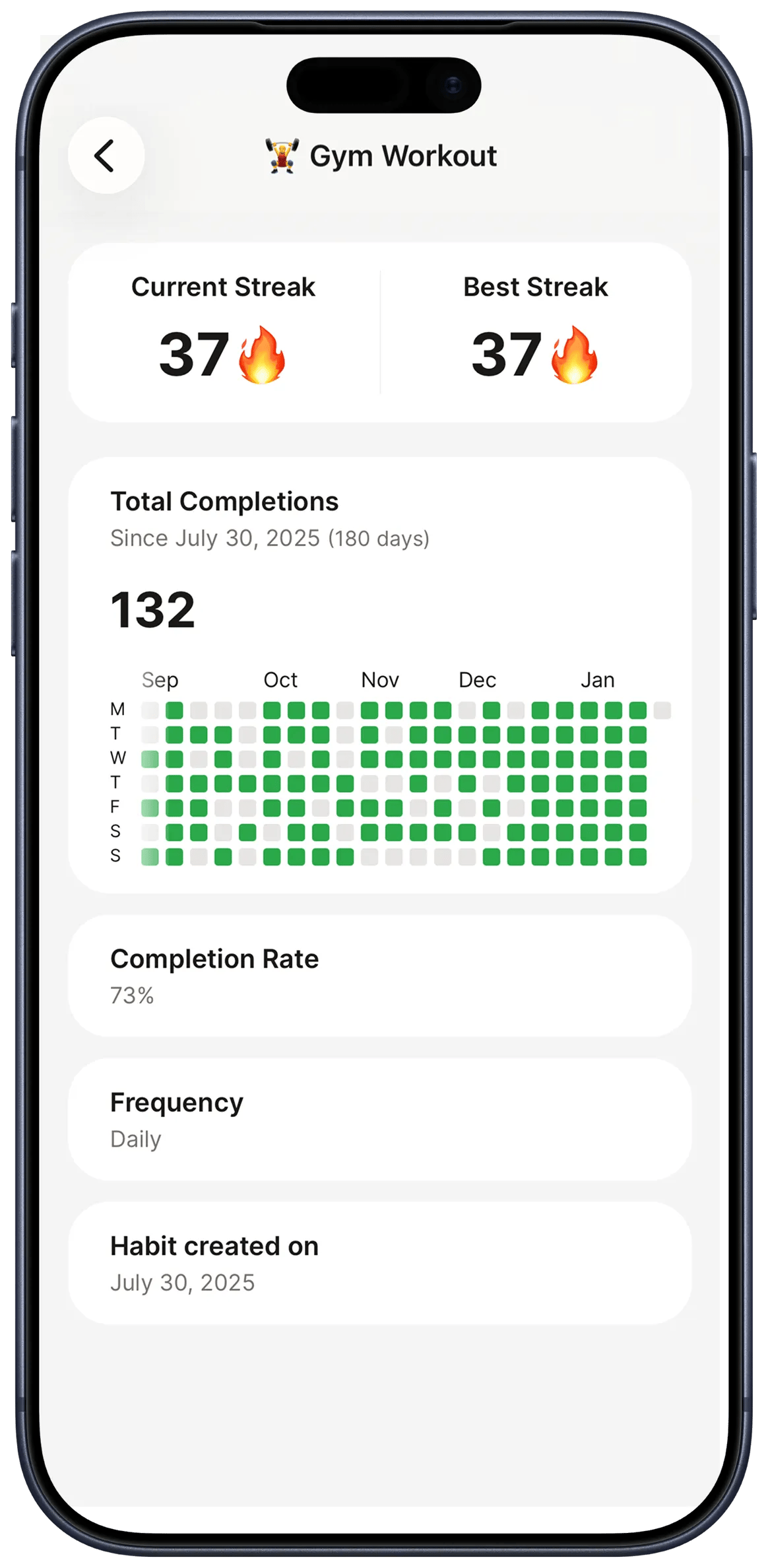
Build your cold shower streak day by day. A simple daily check-in keeps you consistent.
Download FreeWho Should Avoid Cold Showers
Cold showers are safe for most healthy adults, but certain groups should proceed with caution or avoid them entirely:
- People with cardiovascular conditions. The sudden spike in heart rate and blood pressure can be dangerous for those with heart disease, arrhythmias, or uncontrolled hypertension.
- Those with Raynaud's disease. Cold exposure can trigger painful vasospasm in fingers and toes.
- Pregnant individuals. Consult your healthcare provider before adding cold exposure to your routine.
- People with cold urticaria. This condition causes hives in response to cold, making cold showers a poor choice.
When in doubt, ask your doctor. The cold is a stressor, and while healthy bodies adapt well to it, compromised systems may not.
Frequently Asked Questions
How long should a cold shower be to get benefits?▼
Research suggests that even 30 seconds of cold water at the end of your shower is enough to see benefits like reduced sick days. The Dutch Cold Shower Trial found no significant difference between 30, 60, and 90 seconds of cold exposure. Start with 30 seconds and work up to 60-90 seconds as you get comfortable.
How cold does the water need to be?▼
Most clinical studies use water temperatures between 10-15°C (50-59°F). Your home shower on its coldest setting typically falls in this range. You do not need ice water -- just turn the handle all the way to cold.
Can cold showers help with weight loss?▼
Cold exposure activates brown fat and increases metabolic rate, but studies show the body compensates with increased appetite. Cold showers should not be relied on as a weight-loss strategy. They can complement a broader approach to healthy habits, but calorie balance remains the primary driver of weight change.
Are cold showers better than ice baths?▼
For most people building a daily habit, cold showers are more practical and sustainable than ice baths. The key benefits -- norepinephrine release, stress adaptation, reduced sick days -- have been demonstrated with cold showers specifically. Ice baths offer more intense cold exposure but are harder to maintain as a daily practice.
Will I get used to cold showers over time?▼
Yes. Most people report that the initial shock decreases significantly within the first two weeks. Your body adapts through a process called cold habituation -- the gasp reflex diminishes, your heart rate response moderates, and the experience becomes more comfortable. The mood-boosting effects, however, tend to persist.
- 1.The Effect of Cold Showering on Health and Work: A Randomized Controlled Trialpmc.ncbi.nlm.nih.gov
- 2.Effects of cold-water immersion on health and wellbeing: A systematic review and meta-analysisjournals.plos.org
- 3.Human physiological responses to immersion into water of different temperaturespubmed.ncbi.nlm.nih.gov
- 4.Effects of time-of-day on the noradrenaline, adrenaline, cortisol and blood lipidome response to an ice bathnature.com
- 5.Altered brown fat thermoregulation and enhanced cold-induced thermogenesis in young, healthy, winter-swimming menpmc.ncbi.nlm.nih.gov
- 6.Effect of Acute Cold Exposure on Energy Metabolism and Activity of Brown Adipose Tissue in Humans: A Systematic Revie...pmc.ncbi.nlm.nih.gov
- 7.Health effects of voluntary exposure to cold waterpmc.ncbi.nlm.nih.gov