 By Adrien Blanc
Habit Tracking for Kids: Teach Children Healthy Routines
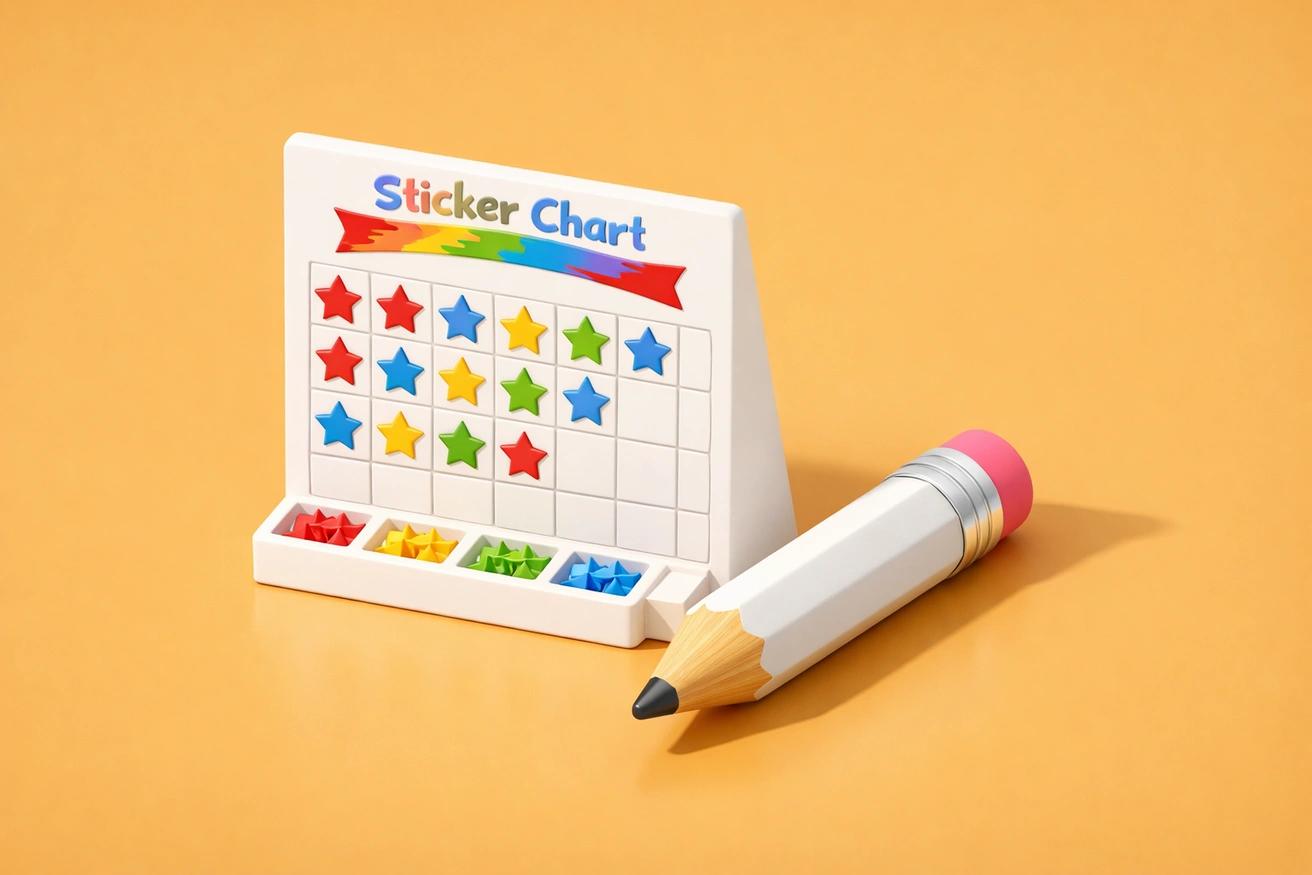
Habit tracking for kids works by giving children a simple, visual way to see their own progress on daily routines like brushing teeth, reading, or tidying up. When children can physically check off or place a sticker next to a completed task, they build a sense of ownership over their behavior. A study from Brown University surveying nearly 50,000 families found that routines and habits in children become fixed by age 9 and are unlikely to change after that point. That means the earlier you start building positive habits with your child, the more likely those habits will carry into adolescence and adulthood.
The good news: you do not need complicated systems. A simple chart on the fridge, a jar of marbles, or a shared app can be enough to help children internalize healthy routines. The key is making the process age-appropriate, consistent, and -- most of all -- fun.
Age 9
when children's habits become fixed, according to Brown University research
Track habits as a family with Habit Streak -- simple enough for kids to use on their own.
Download Free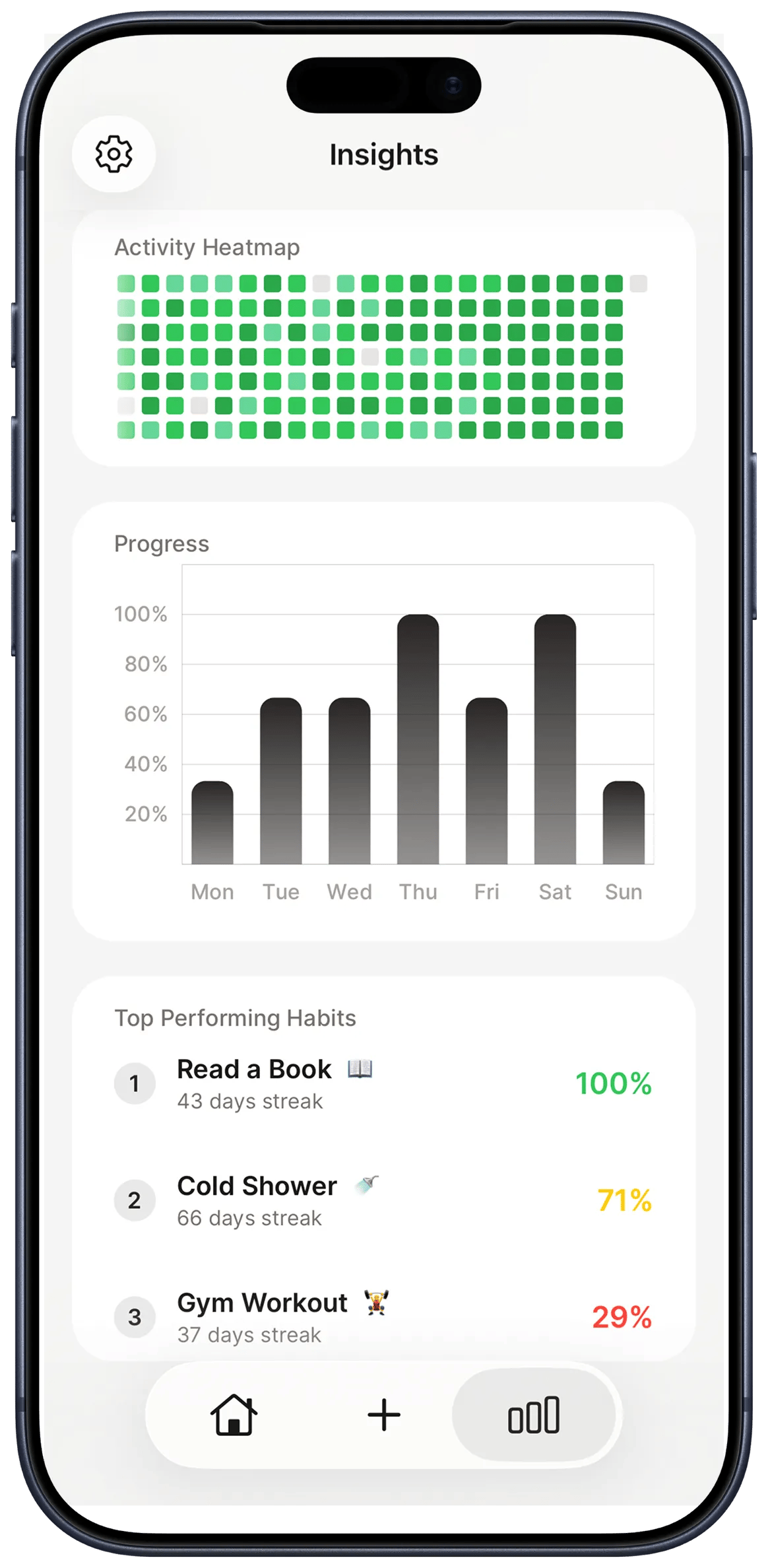
Why Habit Tracking Works for Kids
Habit tracking works for children because it makes abstract concepts concrete. Young children cannot easily grasp "be more responsible," but they can understand "put your shoes by the door every day and add a sticker to your chart." That visual feedback loop is powerful.
Research on routines and child development shows that consistent daily routines help children develop self-regulation, reduce impulsive behavior, and build the executive function skills needed for school success. Routines provide structure, predictability, and boundaries that allow children to learn what is expected of them.
According to psychologist Alan Kazdin, director of the Yale Parenting Center, reward charts work because they facilitate "repeated practice." The more a child performs a positive behavior, the more automatic it becomes -- and eventually, it is simply part of who they are.
For a broader look at why tracking habits is effective for people of all ages, see our complete guide to habit tracking.
Age-Appropriate Habits by Age Group
Not every habit suits every age. Starting with realistic expectations prevents frustration for both parent and child.
Ages 2-4 (Toddlers):
- Brushing teeth (with help)
- Putting toys back in a bin
- Saying "please" and "thank you"
- Washing hands before meals
Ages 5-7 (Early Elementary):
- Making their bed
- Reading for 10-15 minutes
- Getting dressed independently
- Helping set or clear the table
- Packing their school bag
Ages 8-10 (Upper Elementary):
- Completing homework before screen time
- Practicing an instrument or sport
- Doing a household chore (dishes, vacuuming)
- Writing in a journal or gratitude log
- Preparing a simple snack
Ages 11+ (Tweens and Teens):
- Managing their own morning routine
- Tracking exercise or physical activity
- Budgeting allowance or savings
- Meal planning or cooking once a week
- Limiting screen time independently
Making Habit Tracking Fun and Visual
Kids respond to what they can see and touch. The most effective tracking systems for children are highly visual and involve a physical or tactile element.
Sticker charts remain a classic for ages 2-7. Each completed habit earns a sticker, and filling a row unlocks a small celebration. The Australian Raising Children Network notes that reward charts work best for children aged 3-8 when focused on one behavior at a time.
Marble jars work well for family-wide tracking. Every time a child completes a habit, they drop a marble into a jar. When the jar is full, the whole family does something fun together. This approach builds teamwork rather than competition.
Coloring trackers let artistic kids color in a section of a picture each day they complete their habit. By the end of the month, they have a finished piece of art.
Digital trackers suit older children (10+) who already use devices. A shared family app lets parents and kids track habits side by side, which models the behavior you want to see. If you are considering digital vs. paper habit tracking, younger kids generally do better with physical charts while teens prefer apps.
Reward Systems That Build Intrinsic Motivation
Rewards can help establish habits, but the goal is to phase them out over time so children are motivated by the behavior itself rather than the prize.
Use social rewards first. Time spent together -- a trip to the park, a board game night, choosing the family movie -- strengthens the connection between the habit and positive feelings. Research suggests social rewards are more effective than material rewards because they strengthen neural connections between the action and social bonding.
Praise effort, not perfection. Instead of "Great job getting all your stickers," try "I noticed you remembered to brush your teeth all on your own this morning." This approach aligns with Carol Dweck's research on growth mindset and keeps children focused on the process.
Gradually reduce external rewards. Clinical psychologist David Anderson of the Child Mind Institute notes that rewards for a specific behavior are typically needed for only a few weeks or months. As the behavior becomes habitual, you give rewards less frequently or shift focus to a new habit.
When to Let Kids Choose Their Own Habits
Giving children autonomy over their habits is one of the most effective ways to build lasting motivation. When kids pick their own goals, they feel ownership rather than obligation.
For younger children (under 7), parents should offer a curated menu of 3-4 options: "Would you like to track reading, tidying your room, or helping with dinner?" This gives a sense of choice within appropriate boundaries.
For children 8 and older, consider a collaborative approach. Sit down together, discuss what habits they would like to build, and let them design their own tracking chart. Children who feel heard are far more likely to follow through.
Teenagers benefit from full ownership. Rather than dictating habits, ask questions: "What is one thing you would like to get better at this month?" Then offer to track your own habit alongside them. Modeling matters -- if kids see you tracking your habits consistently, they are more likely to stick with theirs.
Common Mistakes Parents Make With Habit Tracking
Even well-intentioned parents can undermine the process. Here are the most common pitfalls and how to avoid them.
Tracking too many habits at once. Starting with a long list overwhelms children. Research supports focusing on how many habits to track -- the answer for kids is even fewer than for adults. Begin with 1-3 and add more only after those feel automatic.
Expecting perfection. Lally's research found that missing a single day does not significantly impact habit formation. If your child misses a day, move on without drama. Perfectionism kills consistency.
Stepping in too quickly. The Brown University study found that parents often hindered habit development by stepping in when children did tasks imperfectly or by denying kids additional responsibilities. Let your child make their bed poorly. The repetition matters more than the result.
Making it feel like punishment. Habit tracking should never be framed as a consequence. "You have to do your chart before you can play" creates resentment. Instead, integrate tracking into a pleasant routine -- perhaps right after a family meal or before story time.
Forgetting to celebrate. Small wins matter enormously to children. A high-five, a note in their lunchbox, or a simple "I'm proud of you" reinforces the positive loop that makes habits stick.
24%
of children ages 6-17 get the recommended 60 minutes of daily physical activity
Physical Activity: A Habit Worth Prioritizing
One habit deserves special attention. According to the CDC, only 24% of children aged 6-17 get the recommended 60 minutes of daily physical activity. That number has been declining over the past decade, with the 2024 US Report Card on Physical Activity giving American children a grade of D-.
Tracking physical activity as a family habit can help. Rather than logging minutes, younger kids can track "played outside today" or "went for a walk with the family." Older children might track specific activities like bike rides, sports practice, or active play.
The screen time connection matters here too. CDC data shows that children with 4+ hours of daily screen time are significantly less likely to be physically active than those with 2 hours or less. Tracking both screen time limits and physical activity together can help children see the relationship between the two.
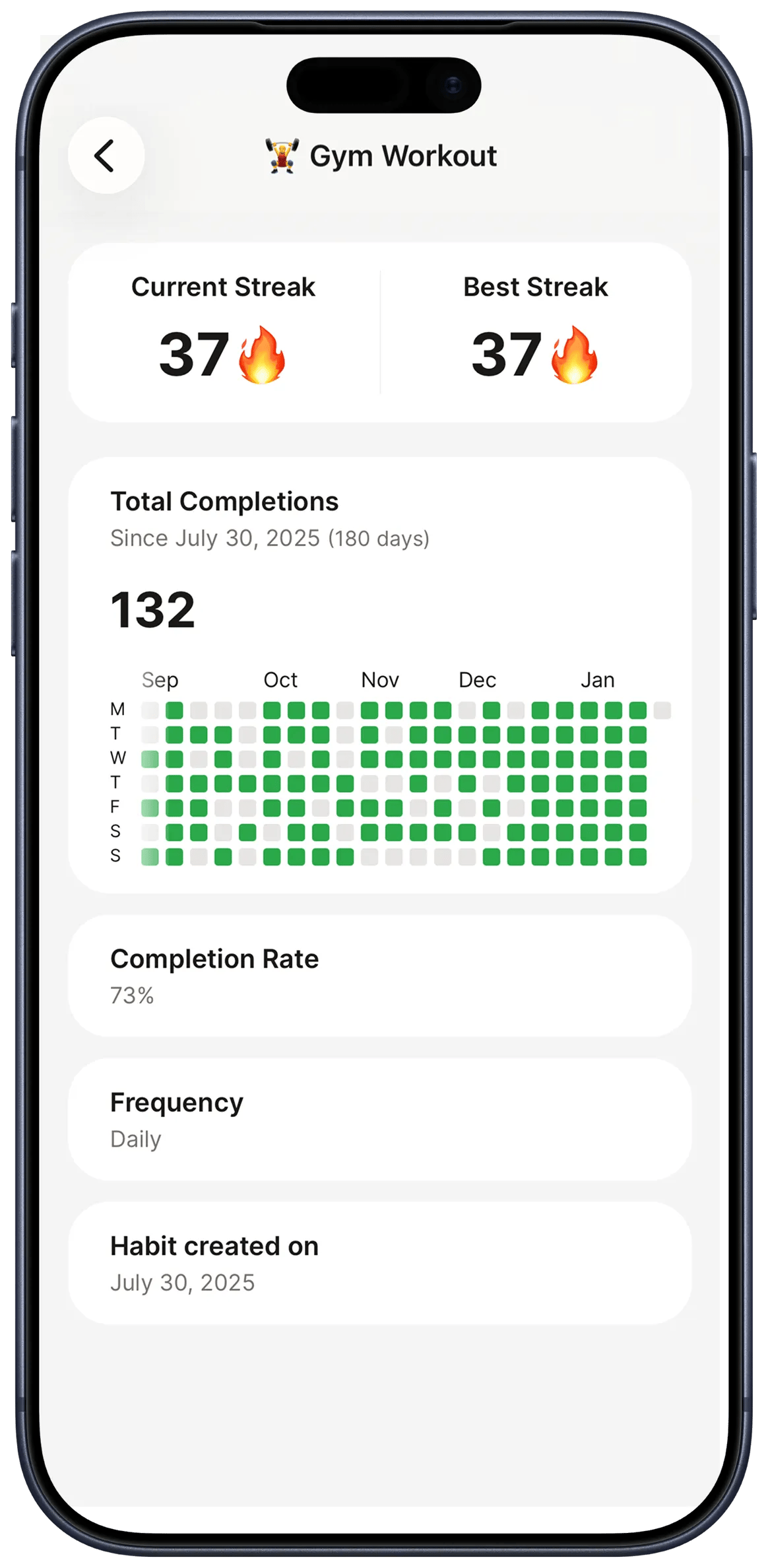
Start a family fitness habit -- track daily activity together with Habit Streak.
Download FreeFrequently Asked Questions
At what age can kids start tracking habits?▼
Children as young as 2-3 can begin with very simple visual systems like sticker charts for one habit at a time, such as brushing teeth. By age 5-6, most children can track 2-3 habits with minimal help. The key is keeping it age-appropriate and focused on just a few behaviors.
Should I use rewards for my child's habit tracking?▼
Rewards can be helpful to get habits started, especially for children under 8. Prioritize social rewards (quality time, activities together) over material ones. Research from the Yale Parenting Center shows that rewards are typically needed for only a few weeks before the behavior becomes more automatic. Gradually phase them out as the habit takes hold.
What if my child loses interest in their habit tracker?▼
This is normal. Try refreshing the format -- switch from stickers to a coloring chart, or let your child redesign their tracker. You can also let them choose a new habit to track. The goal is building the meta-skill of tracking and consistency, not perfecting any single habit forever.
How many habits should my child track at once?▼
For children under 7, start with just 1 habit. For ages 7-10, 2-3 habits is a good range. Teens can handle 3-5, similar to adults. Adding too many habits at once leads to overwhelm and abandonment. Wait until one habit feels automatic before introducing another.
Is it better to use a paper chart or a digital app for kids?▼
For children under 10, paper-based systems (sticker charts, coloring trackers, marble jars) tend to be more engaging and do not add screen time. For tweens and teens, a simple app can work well, especially if the whole family uses it together. The best system is the one your child will actually use consistently.
- 1.Study Finds Habits in Children Take Root By Age 9psychologytoday.com
- 2.routines and child developmentonlinelibrary.wiley.com
- 3.Giving Kids Rewards for Good Behavior Will Not Ruin Themslate.com
- 4.University College London studyonlinelibrary.wiley.com
- 5.Australian Raising Children Networkraisingchildren.net.au
- 6.The Psychology Behind Reward Systems for Kidsstimul8.app
- 7.According to the CDCcdc.gov
- 8.2024 US Report Card on Physical Activity for Children and Youth shows few children are getting the recommended daily ...kumc.edu